
How to Choose Bulk Landscape Materials for Your Project
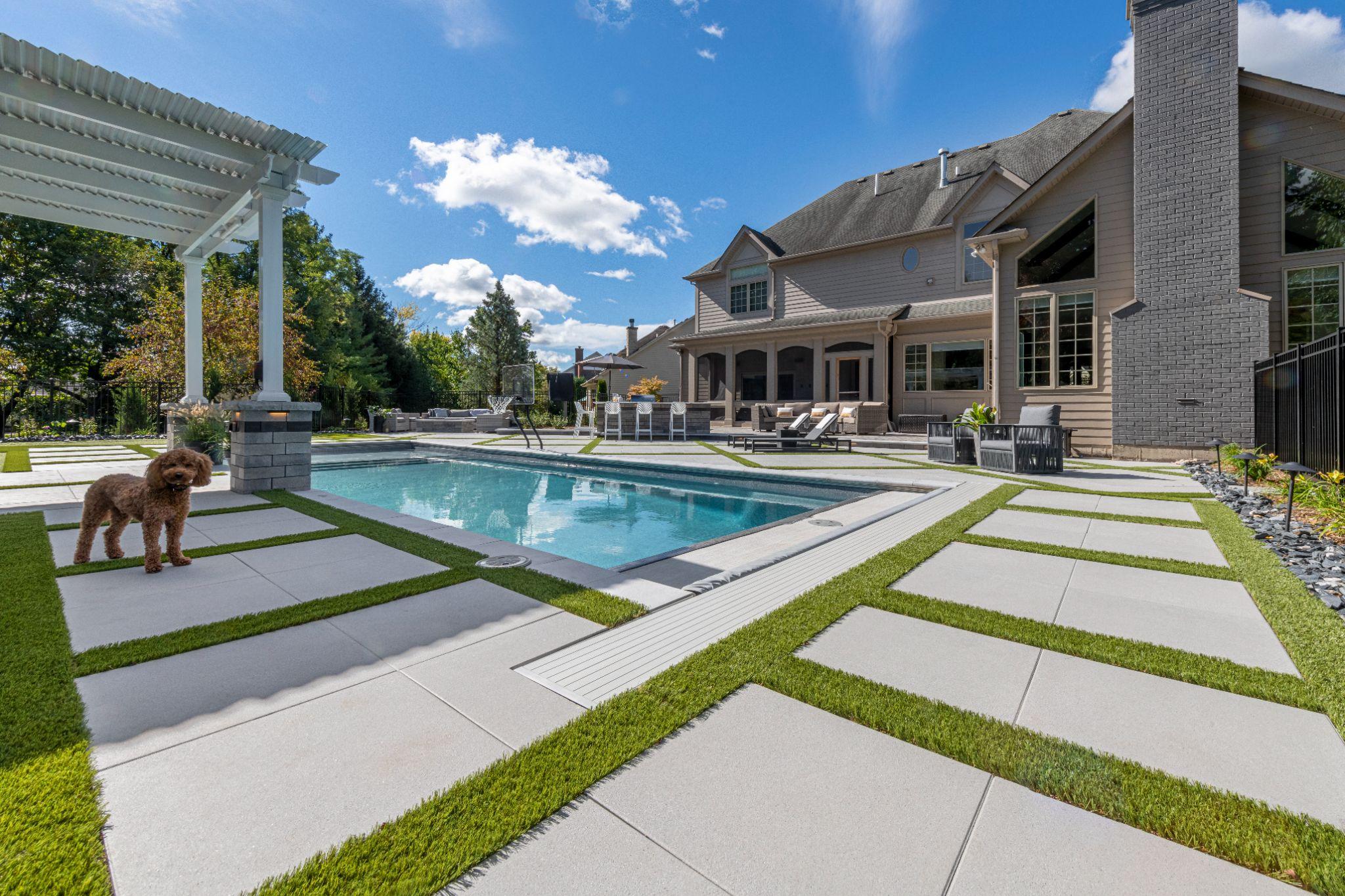
You picture the finished space long before the first shovel touches the ground. A welcoming driveway that frames your home. A patio where conversations stretch into the evening. A walkway that moves gently through planting beds. The vision feels clear, yet the path to get there can feel uncertain.
Many outdoor projects lose momentum because materials were selected too quickly or without a clear plan. The base was underestimated. Quantities were misjudged. Delivery timing did not align with installation. When you are unsure how to choose landscape materials, even a straightforward build can become complicated.
The good news is that selecting bulk landscape materials becomes manageable when you follow a defined process. With thoughtful planning and the right guidance, you gain confidence in every decision. This step-by-step guide will help you choose bulk landscape materials with clarity and purpose.
If you want a deeper understanding of base preparation and aggregate performance, explore our Landscape Materials and Gravel Guide for Strong Outdoor Foundations.
Step 1: Define The Scope Of Your Outdoor Build
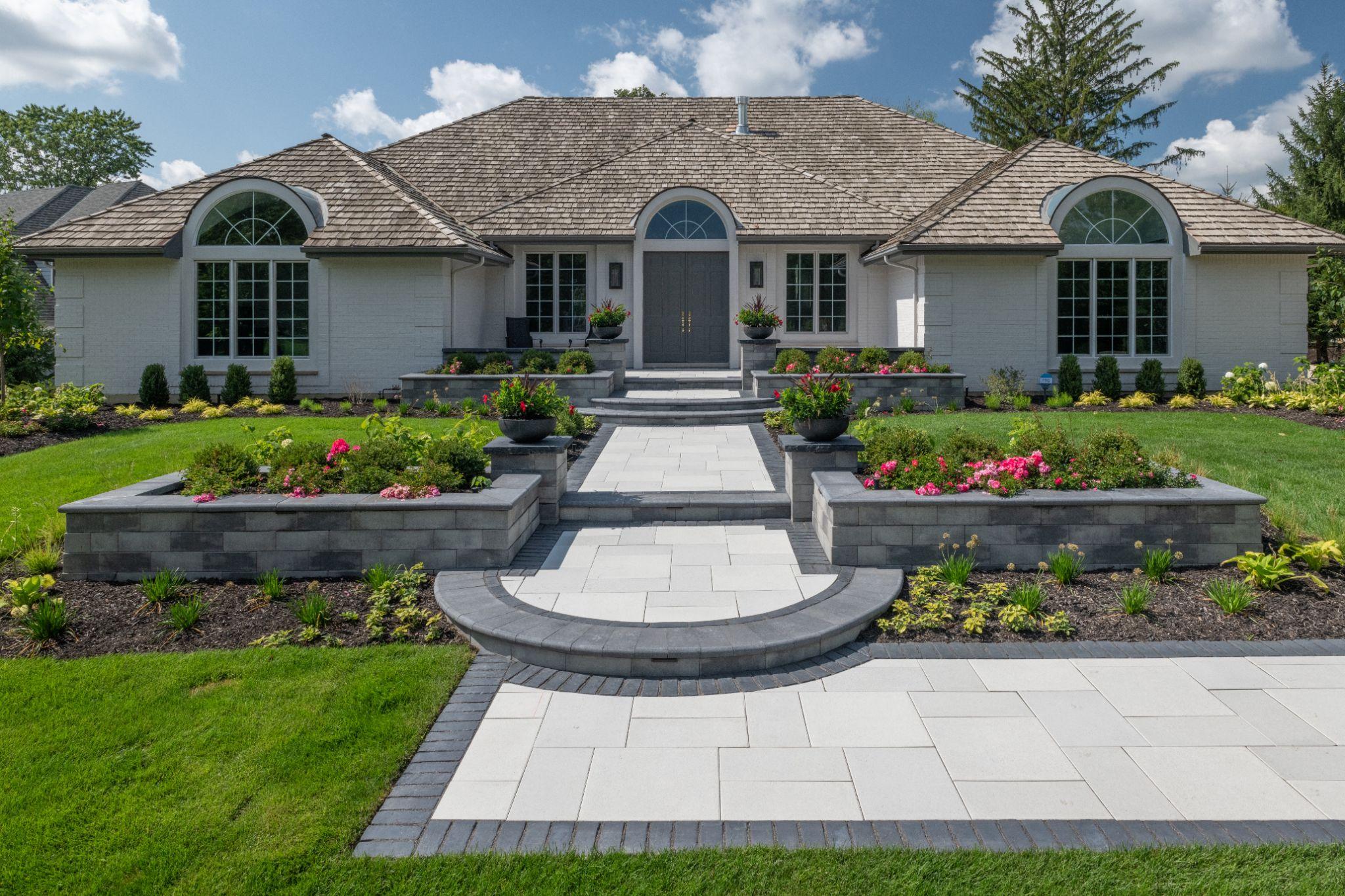
Every strong landscape begins with intention. Before ordering supplies in bulk, you need to clearly define what you are building and how each element will function within your property.
Are you installing a driveway that must handle vehicle weight, or a patio designed for gathering and relaxation? Will you be constructing a retaining wall to manage elevation changes, building an outdoor kitchen, shaping a walkway, adding a water feature, or installing artificial turf?
Each feature requires different structural support and surface considerations. A driveway demands strength and load-bearing capacity. A patio prioritizes comfort and durability. An armour stone retaining wall must support soil pressure while blending into the landscape.
When you define the scope early, you avoid guesswork and ensure the materials you select match both performance needs and aesthetic goals. You also begin to see how spaces connect. A patio may lead to steps. A walkway may border planting beds. These transitions influence the type and quantity of materials required.
At Georgian Bay Outdoors, respect and honesty shape every recommendation. With decades of hands-on experience, the team understands how early planning decisions influence long-term results.
Step 2: Select Structural Base Materials First
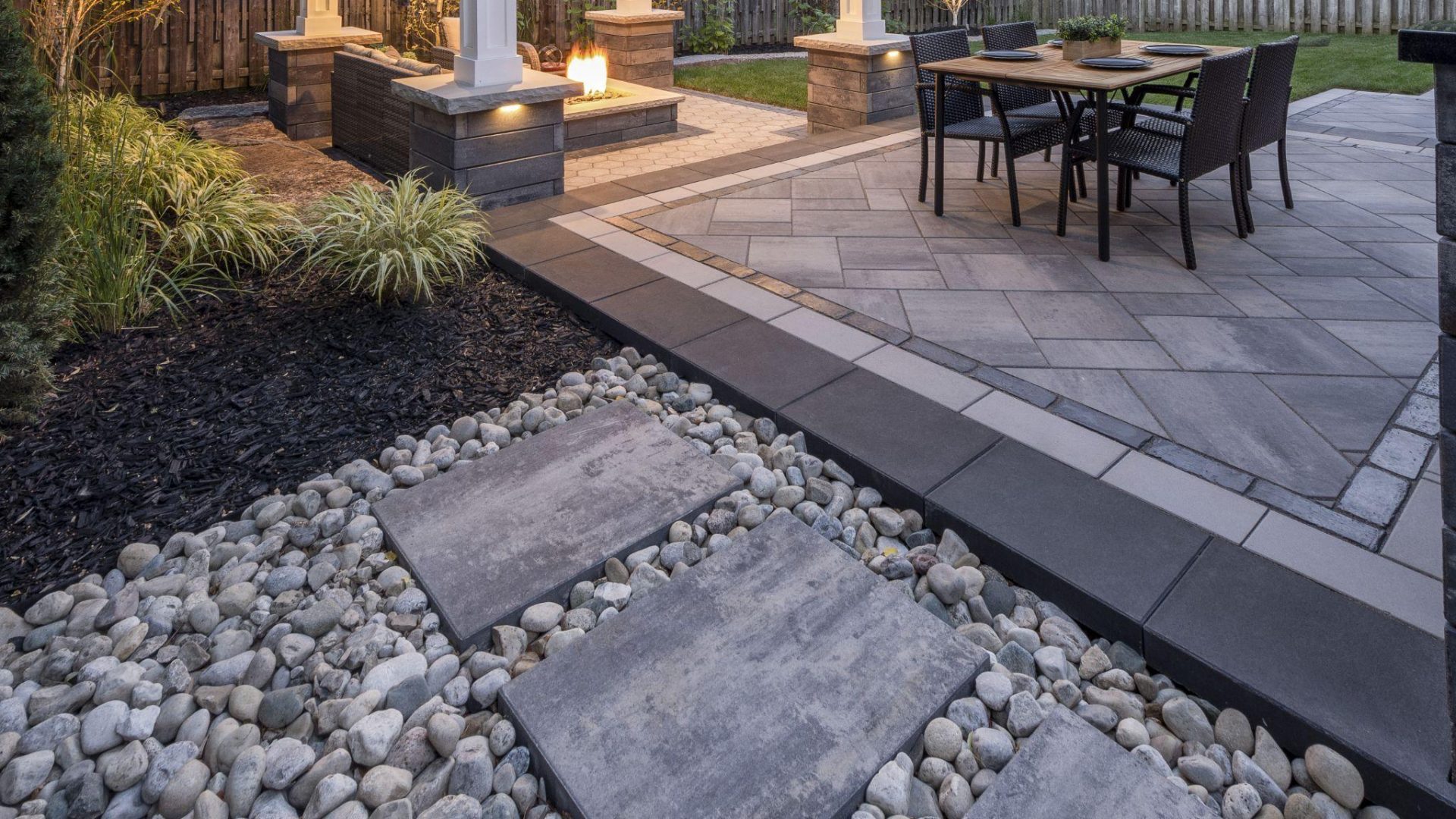
Strong outdoor builds always begin below the surface. Before you focus on colour or pattern, you must choose the materials that provide structural stability.
Understanding the types of gravel for landscaping is essential at this stage. Different aggregates serve different purposes, and selecting the correct one determines how well your surface performs over time.
You may require:
- Compacted gravel base for patios and driveways
- Bedding sand for paver installation
- Drainage aggregates around foundations
- Clear stone behind retaining walls
Angular crushed stone compacts tightly and supports weight effectively. Clear stone promotes drainage and reduces water buildup. Bedding sand creates a smooth surface for pavers and helps achieve consistent alignment.
When choosing landscape materials, prioritize these structural layers first. Proper base preparation minimizes shifting, cracking, and settling. In Ontario’s freeze-thaw climate, effective drainage reduces seasonal movement and extends the life of your installation.
Contractors value reliable aggregates because consistent sizing improves compaction. Homeowners appreciate the peace of mind that comes from a patio or driveway that remains stable year after year.
Selecting the right types of gravel for landscaping ensures your project starts on a strong, stable foundation.
Step 3: Choose Natural Stone For Character And Durability
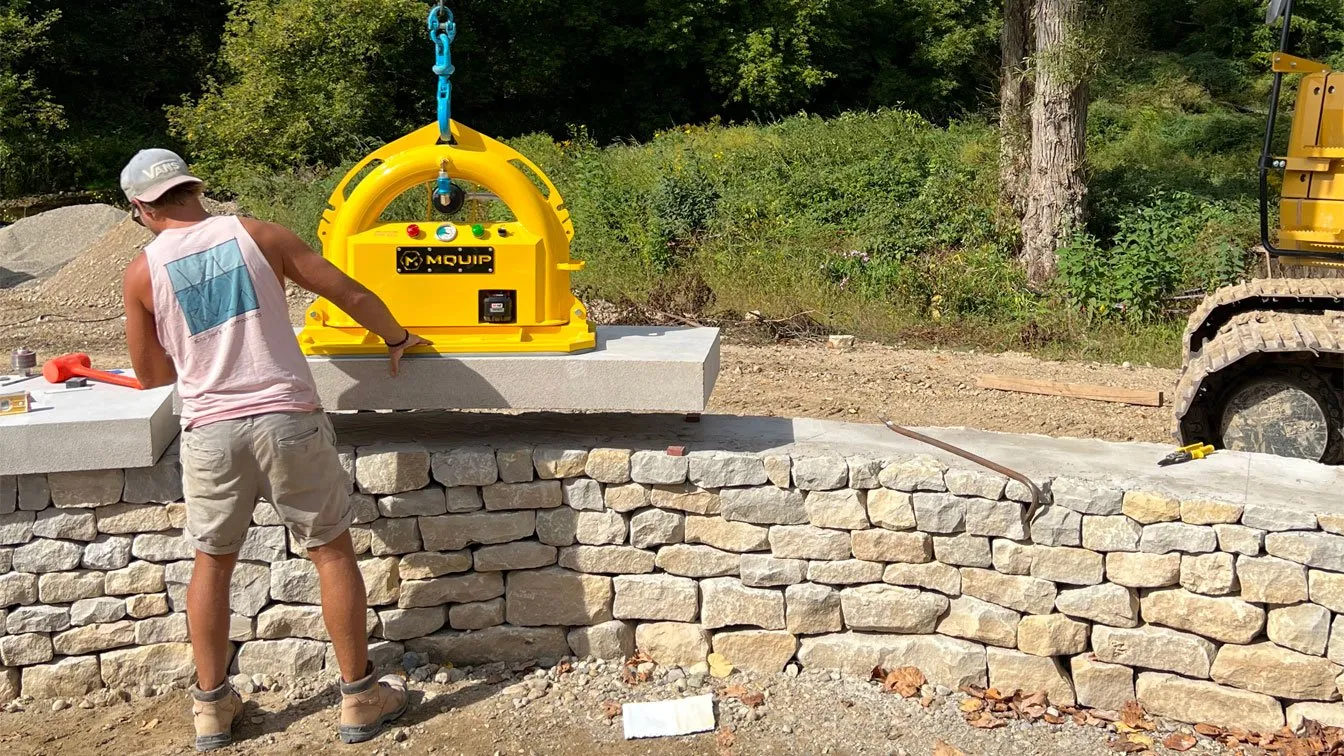
Once your structural base is established, you can turn your attention to surface materials that bring personality and longevity to your space.
Natural stone for landscaping offers depth, texture, and subtle variation that manufactured materials cannot fully replicate. Each piece carries unique characteristics shaped by nature, creating a landscape that feels grounded and authentic.
You might consider random flagstone for patios, armour stone for retaining walls, glacial rockery for bold focal points, mossy boulders for woodland settings, or river rock for edging and drainage.
An armour stone retaining wall provides both visual impact and structural reliability, particularly on sloped properties. River rock defines borders and assists with water flow. Larger glacial stones introduce sculptural presence.
When selecting bulk landscape materials, including natural stone, consider thickness, installation method, and site conditions. Some projects require consistent sizing, while others benefit from organic variation.
In Ontario’s climate, well-installed natural stone withstands seasonal weather shifts while maintaining its character. Choosing natural stone for landscaping allows you to create a space that feels permanent and connected to its surroundings.
Step 4: Decide Between Natural Stone And Concrete Pavers
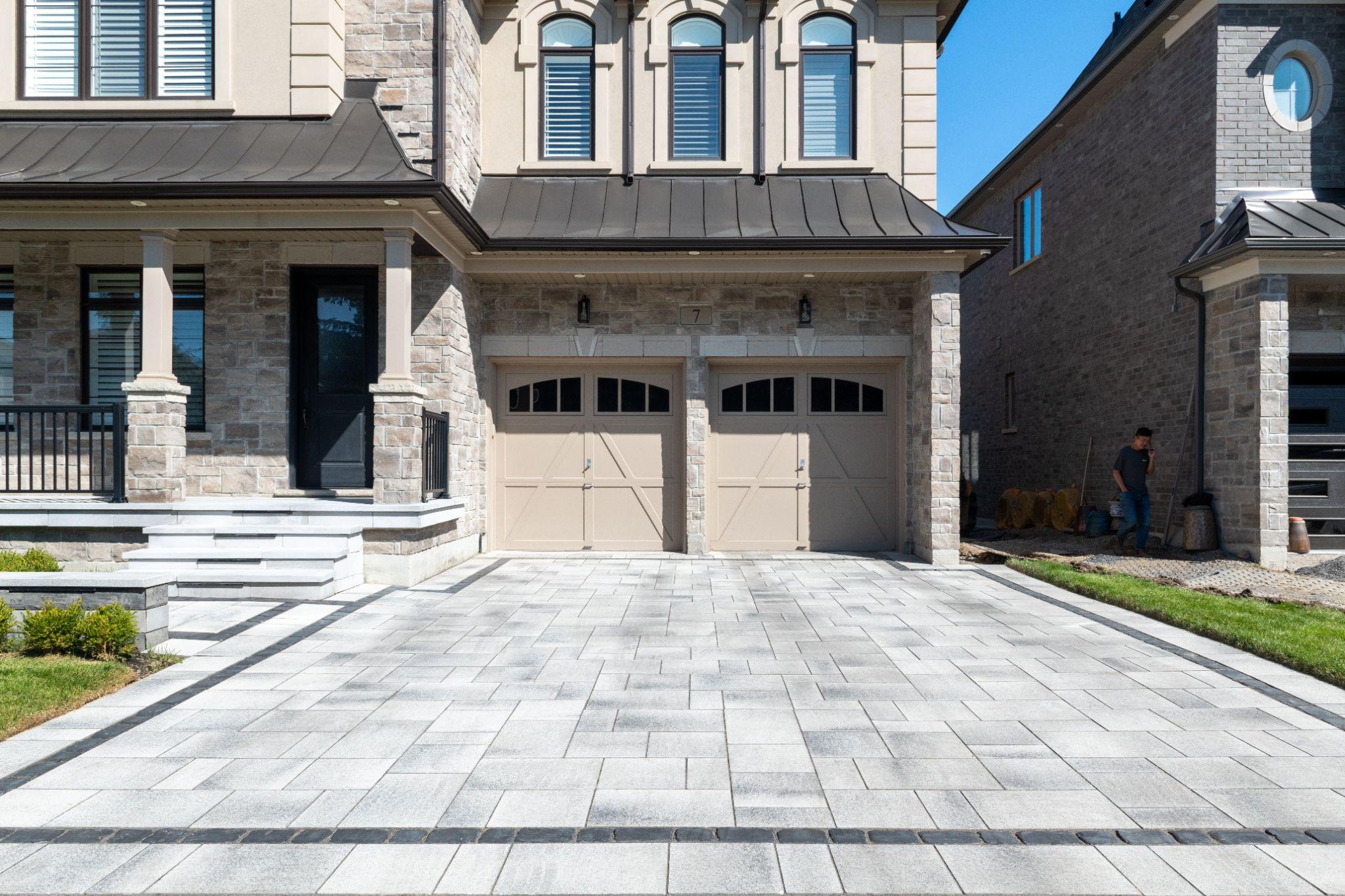
Many projects require a thoughtful comparison between natural stone and concrete pavers for patios. Each option offers distinct advantages depending on application and aesthetic preference.
Concrete pavers for patios provide uniform sizing and predictable installation patterns. Their consistent dimensions simplify layout and allow for intricate geometric designs. Driveways often benefit from engineered pavers designed to handle vehicle loads.
Natural stone, by contrast, offers subtle irregularity and variation. It introduces a softer, more organic appearance that blends easily into natural surroundings.
When ordering bulk landscape materials, precise measurements are essential. Concrete pavers for patios make estimating quantities straightforward, while natural stone may require allowances for cutting and variation.
Your decision should reflect how you intend to use the space. A formal driveway may suit clean paver lines. A woodland garden path may benefit from natural stone textures.
Both materials perform well when installed over proper base layers. The key is aligning your selection with both structural needs and visual goals.
Step 5: Plan Outdoor Kitchens And Feature Surfaces
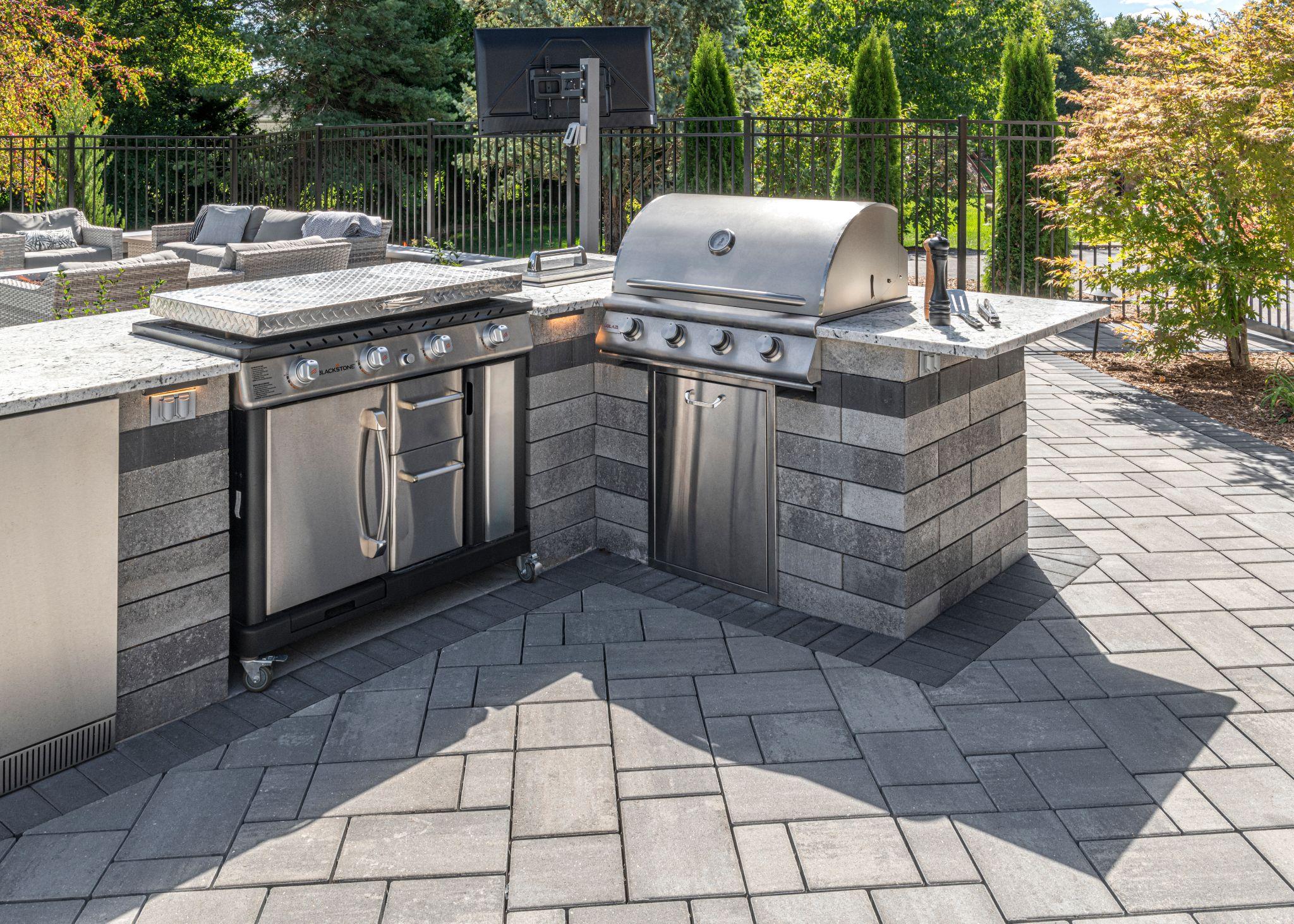
Outdoor kitchens demand materials that balance appearance with durability. Selecting the appropriate stone materials for your outdoor kitchen ensures surfaces withstand heat, moisture, and daily use.
You may evaluate granite for countertops, porcelain such as Banas Porcelain for weather-resistant surfaces, jumbo slabs for contemporary layouts, or custom cut stone for detailed installations.
Outdoor kitchens require respicilized stone. It must resist staining and temperature shifts. Granite offers strength and depth. Porcelain provides low maintenance and consistent colour. Banas Stone selections can coordinate surfaces across countertops and surrounding patio areas.
When integrating these features into your broader design, ensure your materials complement one another. Countertops, vertical faces, and adjacent patios should feel cohesive rather than disconnected.
Planning these elements early ensures that your feature spaces function efficiently while maintaining durability in Ontario’s climate.
Step 6: Select Materials For Retaining Walls And Vertical Features
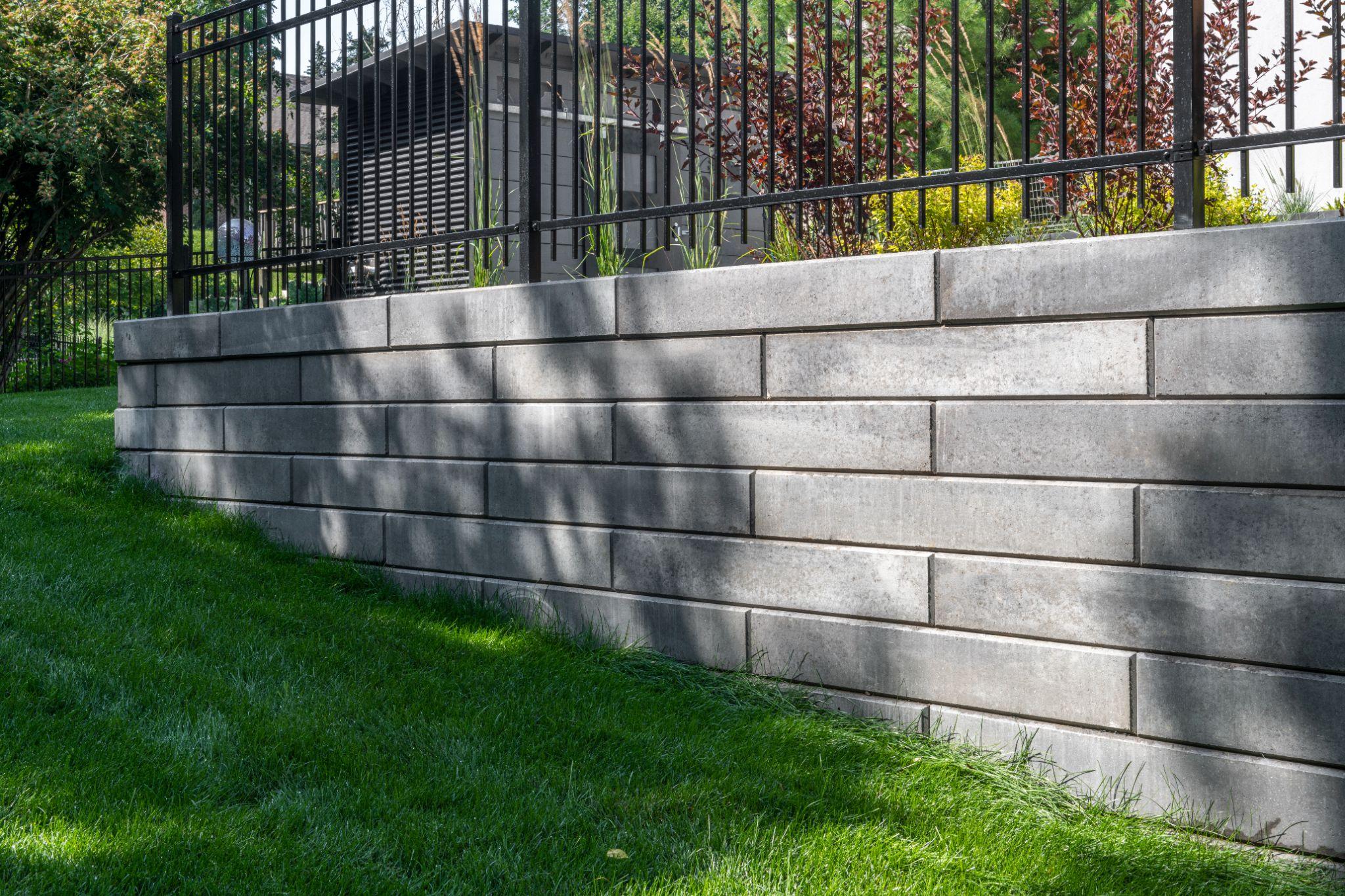
Vertical elements define structure and manage grade transitions. Carefully choosing materials ensures both safety and visual harmony.
An armour stone retaining wall is often selected for tiered landscapes because its weight and scale provide natural stability. Concrete block systems offer modular precision, while natural stone walls blend seamlessly into rural or wooded settings.
When sourcing bulk landscape materials for vertical features, assess drainage requirements and backfill needs. Clear stone behind the wall supports water management and long-term performance.
Structure and beauty must work together. A retaining wall should appear intentional, complementing patios and planting beds rather than competing with them.
Selecting bulk landscape materials thoughtfully ensures your vertical features support both engineering requirements and aesthetic continuity.
Step 7: Choose Finishing Elements That Enhance The Experience
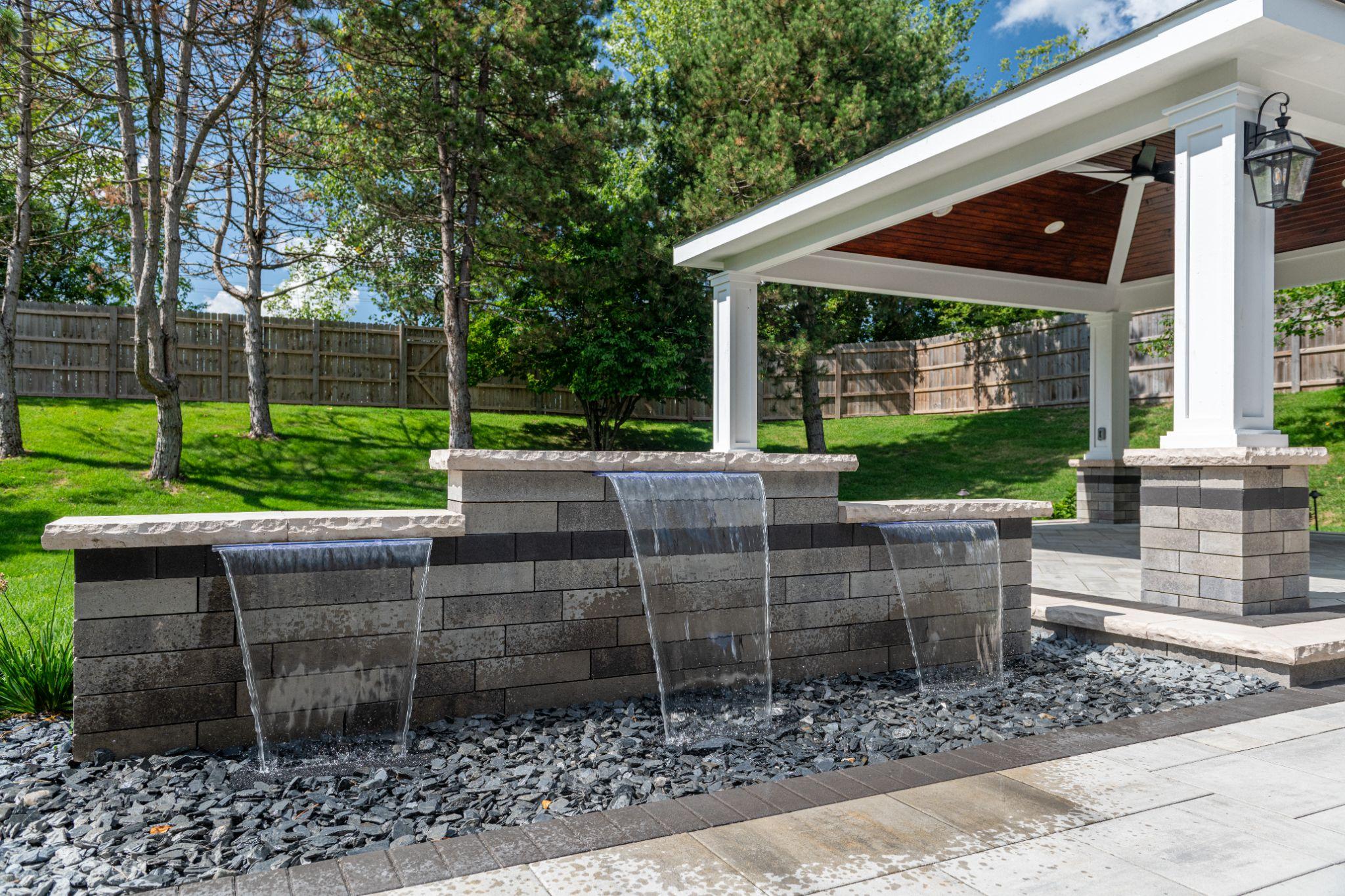
After structural and surface decisions are complete, finishing elements refine how the space feels and functions.
You may incorporate fire pits, water features such as AcuScape or Eco systems, outdoor lighting, artificial turf, or decorative gravel.
Lighting extends usability into the evening. Decorative gravel softens transitions between hardscape and planting areas. Turf creates low-maintenance lawn spaces.
When ordering bulk landscape materials, include quantities for accent gravel or base materials required for these additions. Coordinated selections maintain visual consistency across the entire project.
Finishing details complete the environment and shape how you experience your outdoor space.
Step 8: Finalise Your Landscaping Supply Checklist
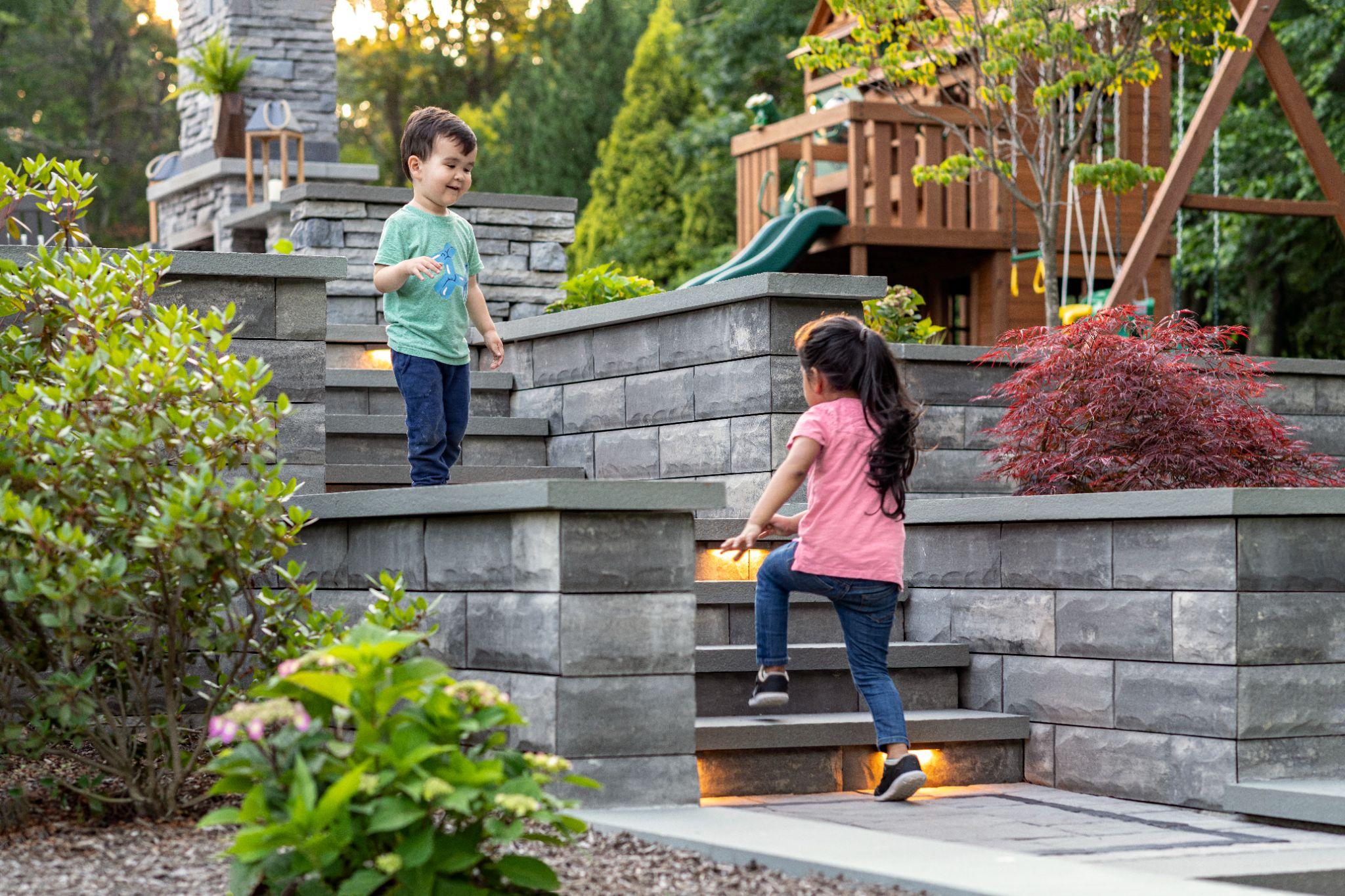
Before confirming delivery, prepare a landscaping supply checklist to ensure nothing is overlooked.
Review:
- Required bulk quantities
- Delivery scheduling
- Access points for equipment
- On-site storage space
- Installation sequencing
Bulk landscape materials require coordination. Deliveries should align with installation phases to avoid congestion or delays. Accurate measurements prevent interruptions.
At Georgian Bay Outdoors, education and support guide every interaction. With a background in landscape architecture and decades of industry experience, our team helps you think through logistics with clarity and respect.
A thorough landscaping supply checklist keeps your project organized and moving forward.
Step 9: Protect Your Investment
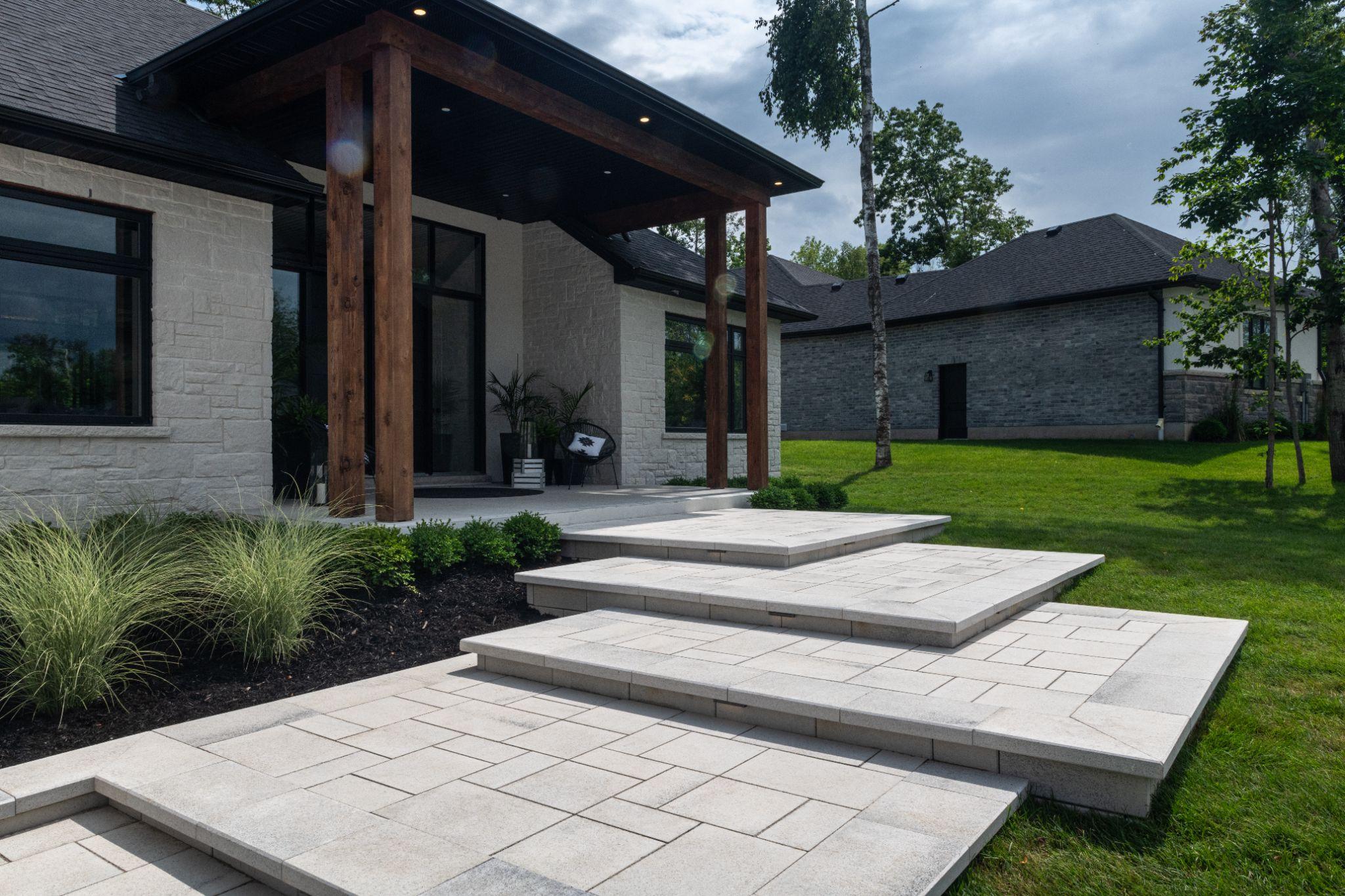
Once installed, maintaining your materials preserves their appearance and performance.
Sealers and cleaners from Techniseal and Banas Stone help protect pavers and stone surfaces from staining and weather exposure. Routine cleaning maintains colour and finish. Mulch and soils require refreshing as seasons change.
Ontario weather affects hardscapes over time. Freeze-thaw cycles, rain, and sun exposure all influence materials. Regular inspection and maintenance reduce long-term wear.
Build With Confidence From The Ground Up
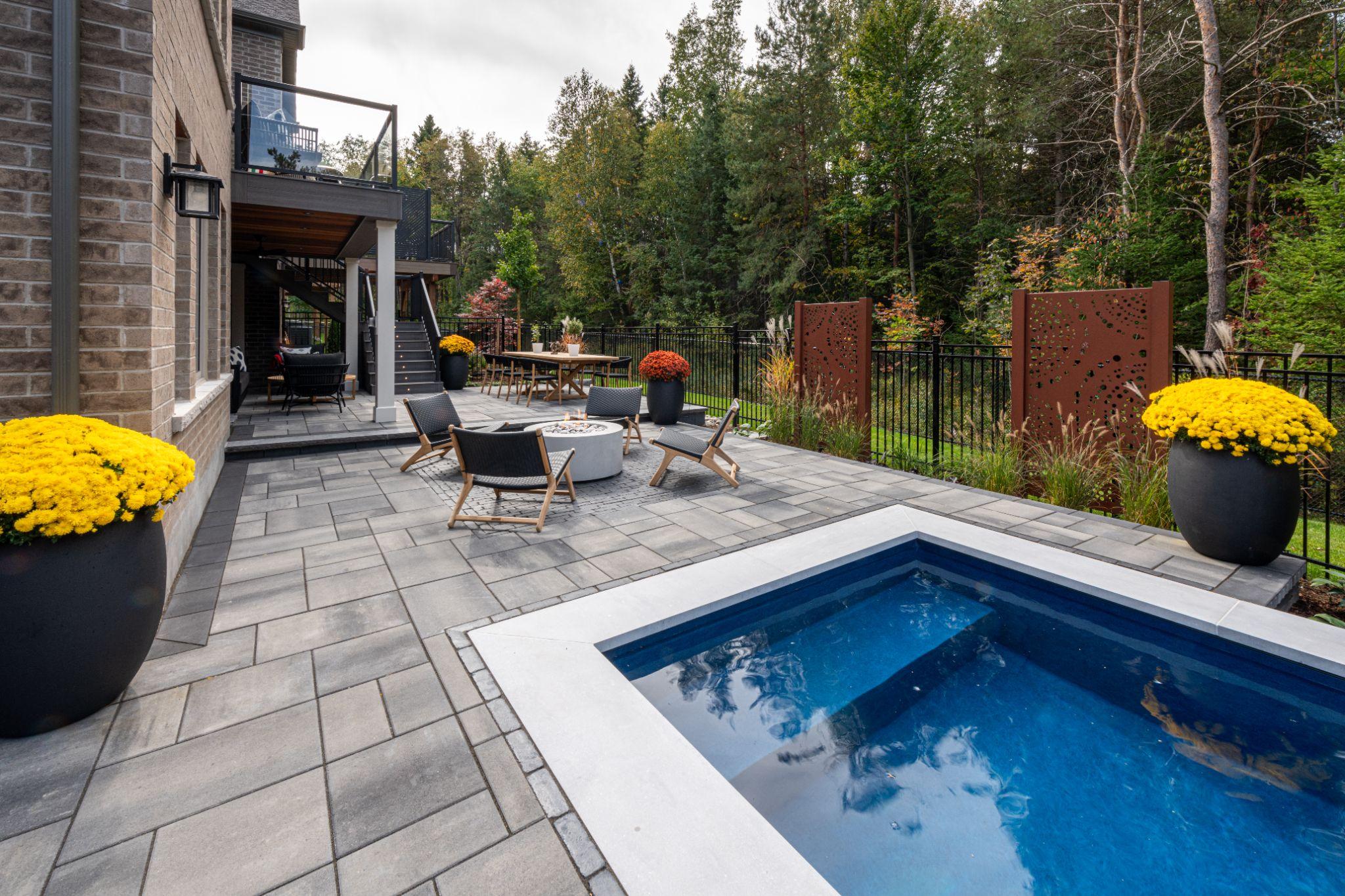
Choosing bulk landscape materials becomes straightforward when you follow a structured process. Define your build. Prioritize structural layers. Compare surface options carefully. Confirm logistics before delivery. Protect what you install.
At Georgian Bay Outdoors, respect, honesty, and trust guide every conversation. With over 25 years in the landscape industry and deep roots along Georgian Bay, the team understands both contractor demands and homeowner aspirations. Receive guidance grounded in experience and genuine care for your success.
When you are ready to take the next step, connect with Georgian Bay Outdoors and request a quote.
Summary
Planning an outdoor project becomes easier when you understand how bulk landscape materials support every layer of your build. From structural base aggregates to surface stone and finishing details, each decision affects durability, appearance, and long-term performance. By clearly defining your project scope, prioritizing strong foundations, and preparing a detailed supply checklist, you gain confidence in every step. Learning how to choose landscape materials with purpose helps you avoid delays and achieve cohesive results. With thoughtful planning and the right guidance, your outdoor space can perform beautifully through Ontario’s changing seasons while reflecting your vision.
Tags: