
Landscape Materials and Gravel Guide for Strong Outdoor Foundations
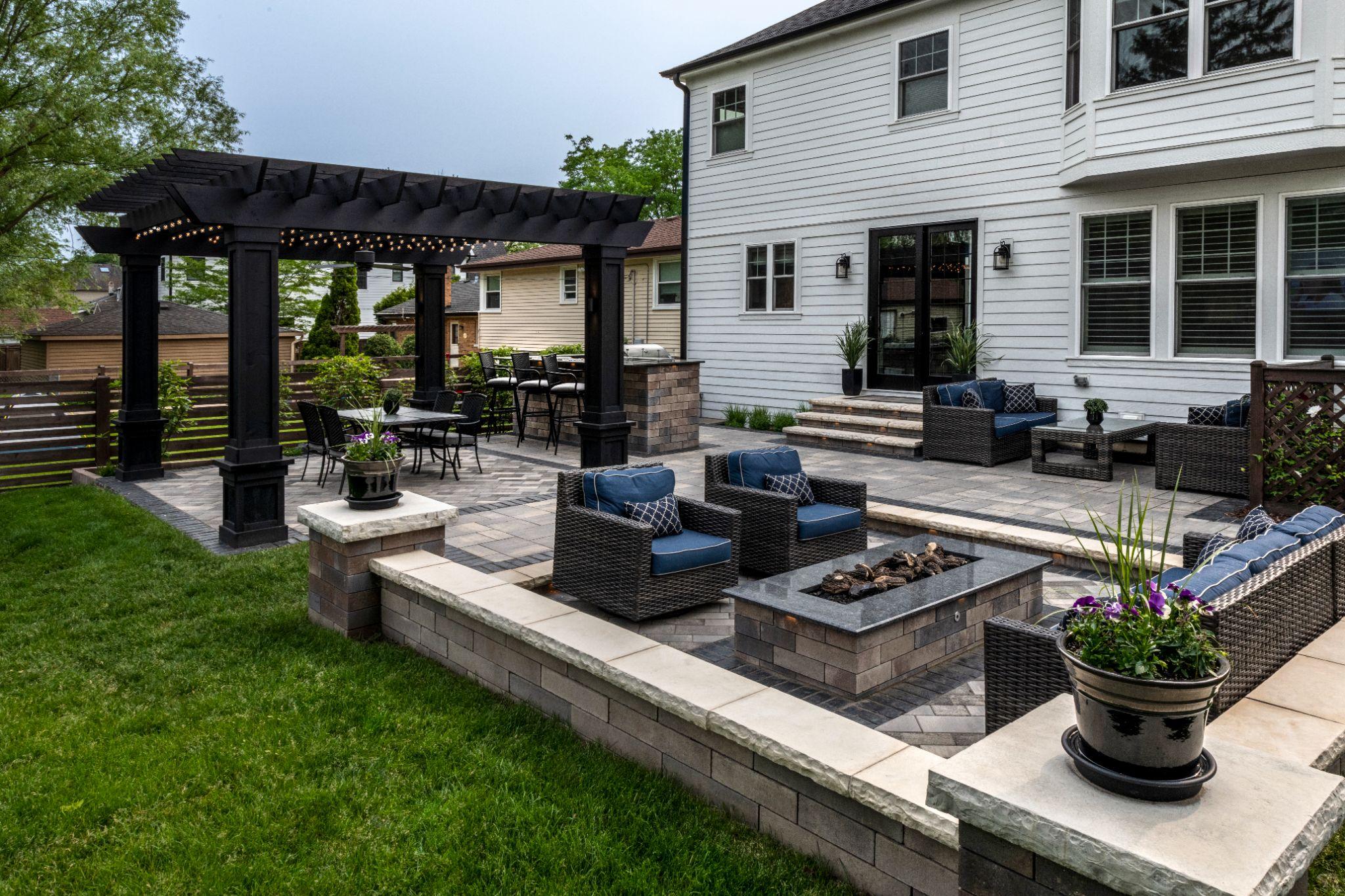
A well-built landscape looks effortless when it is complete. The patio sits level. The walkway drains properly. Garden beds stay rich and healthy through changing seasons on Georgian Bay. What you see above ground feels calm and solid.
What you do not see is what makes it last.
An underbuilt base does not stay hidden for long. Pavers begin to shift. Drainage failures invite pooling water and frost heave. Weak soil prevents roots from establishing depth. Add late material deliveries, and your schedule starts to unravel. Whether you are a contractor managing crews or a homeowner planning an upgrade, you feel the pressure when materials do not perform as expected.
That is why understanding landscape materials and gravel matters. The right aggregates, soil blends, sand, and mulch protect your schedule and support the finished result for years to come. Read on for the full guide to choosing and using the right outdoor foundation materials with confidence.
What Landscape Materials And Gravel Keep Projects Moving?
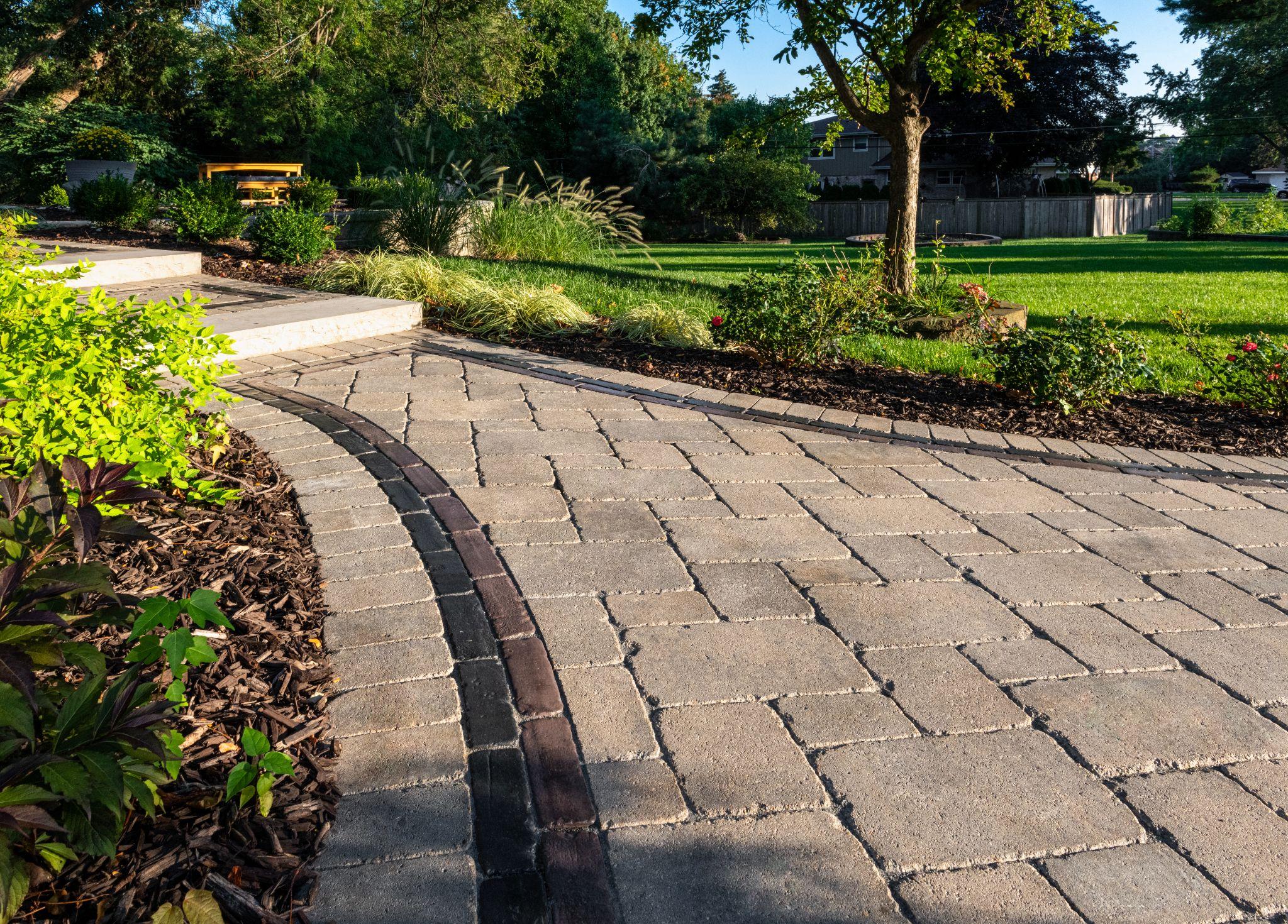
Picture a shoreline property on Georgian Bay. Clean lines. Native plantings. A patio that feels anchored and steady. A driveway that handles spring thaw without rutting. The aesthetic begins with design, but it depends on landscape materials and gravel selected with care.
Every outdoor project relies on layered materials. You may focus on the visible features first. The stone. The lawn. The gardens. Yet each of those surfaces depends on structural components underneath.
Common landscape construction materials required for residential and contractor projects include:
- Base gravels for patios and driveways
- Clear stone for drainage
- Screened sand for paver bedding
- Landscaping aggregates for structural fill
- Topsoil for landscaping beds and lawns
- Compost and soil blends
- Mulch for finishing and moisture retention
When you understand how these materials interact, you reduce the risk of callbacks and rework. You also improve long-term performance.
Contractors often cannot afford supply delays. A truck that arrives late affects crew scheduling and equipment rentals. Homeowners feel that stress too, especially during a short building season in Ontario. Choosing reliable landscape materials and gravel means your timeline stays realistic and your installation proceeds without unnecessary pauses. Reliable access to bulk materials helps prevent project delays.
What Are The Types Of Gravel For Landscaping And Structural Base Work?
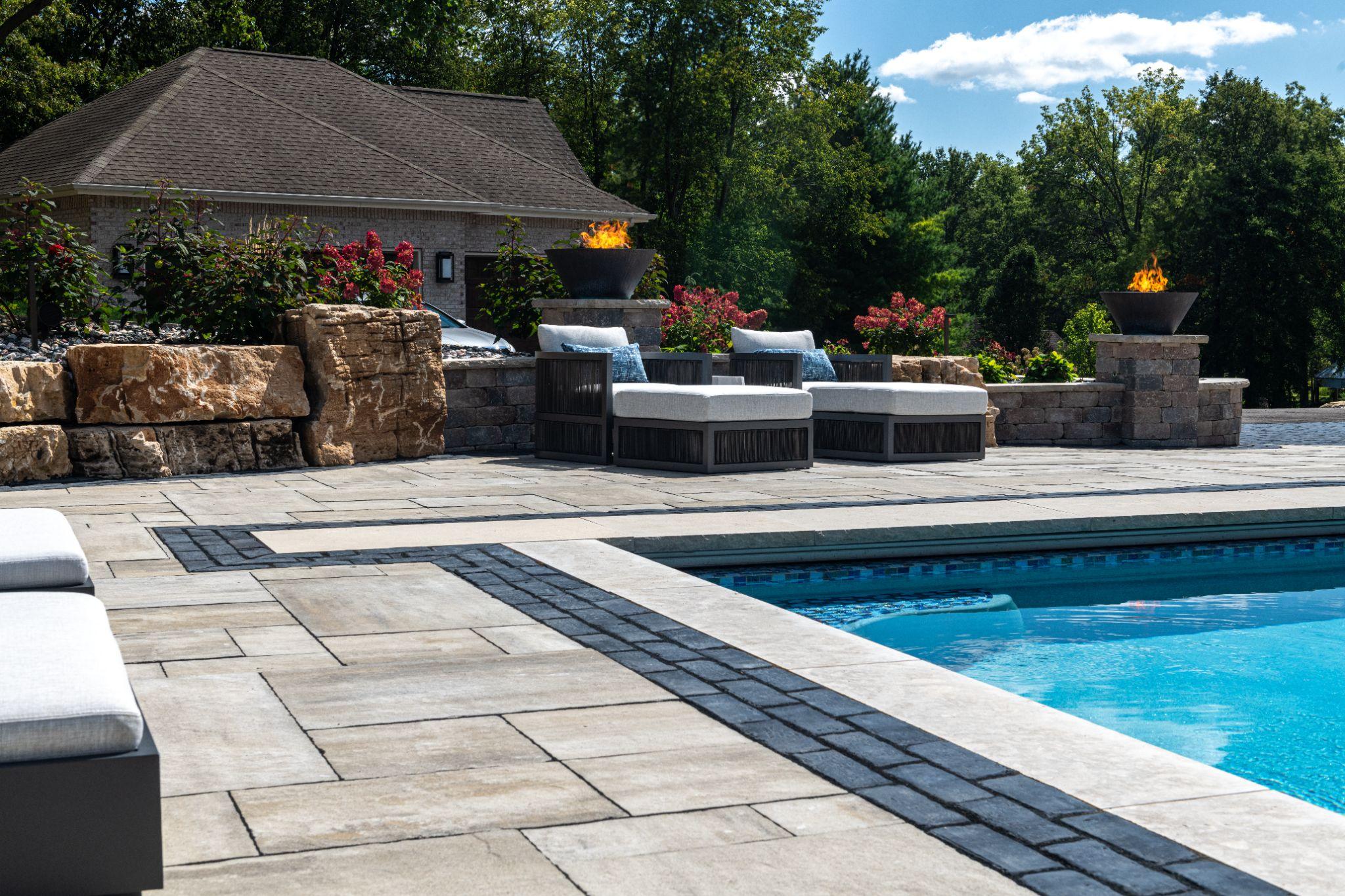
Understanding the types of gravel for landscaping helps you choose the correct product for structural support and surface performance. Not all gravel behaves the same way, and your selection directly affects how well your project performs over time.
In structural base work, compaction is critical. Angular crushed stone locks together when compacted, while rounded stone shifts more easily under pressure. The wrong choice can reduce stability and lead to settling.
When evaluating types of gravel for landscaping, you need to think about load requirements, drainage needs, and soil conditions. A patio supporting outdoor furniture requires a tightly compacted base. A French drain requires free-draining stone with no fines. High-quality aggregates reduce shifting and erosion, while inconsistent products may contain uneven sizing that contributes to long-term movement.
Explore our selection of stone and construction supplies for patios, walkways, and driveways.
Crushed Limestone
Crushed limestone features angular particles that compact tightly under mechanical pressure. It is commonly used beneath patios, walkways, and driveways because it creates a firm, interlocking base. For many residential builds, this is the backbone of a reliable foundation layer.
Granular “A” Or Crusher Run
Granular “A,” also known as crusher run, is a blend of stone and fines. This mixture compacts densely, making it suitable for heavy-load applications such as driveways or areas expecting frequent traffic. When properly installed, it strengthens the overall system of landscape materials and gravel.
Clear Stone
Clear stone is washed and contains no fines. Its primary function is drainage. It is often placed behind retaining walls, around foundations, and in weeping tile systems. Its open structure allows water to move freely rather than collecting beneath hard surfaces.
Pea Gravel
Pea gravel consists of rounded, decorative stones. While attractive for surface areas and pathways, it does not compact well enough for structural base work. It is best used where aesthetics matter more than load-bearing strength.
By choosing the correct types of gravel for landscaping, you give your project structural integrity from the ground up.
How Do Landscaping Aggregates Support Patios, Paths, And Drainage?
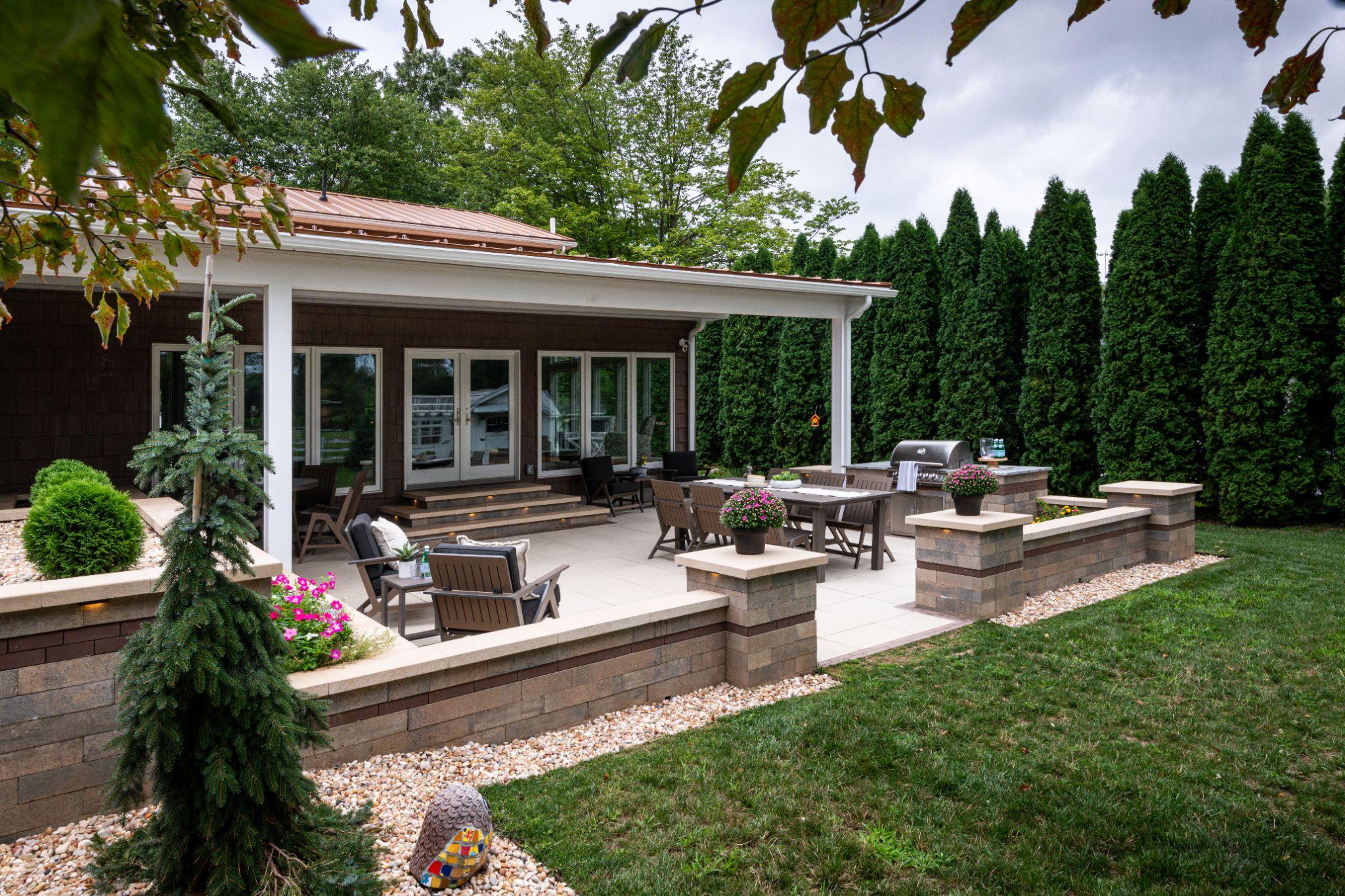
Landscaping aggregates form the backbone of many outdoor installations. They provide stability beneath hard surfaces and manage water flow around your property. Whether you are installing a backyard patio or a winding garden path, properly selected landscape materials and gravel ensure your finished surface remains level, durable, and visually clean through changing seasons.
Layered Construction Beneath Patios And Walkways
Patios and walkways rely on a layered system. Beneath the pavers or natural stone, you will typically find:
- Compacted subgrade
- A base layer of crushed stone
- A bedding layer of sand
- The surface material
Landscaping aggregates in the base layer distribute weight evenly across the area. This reduces pressure points and minimizes settlement over time. Without proper aggregates, patios may develop dips, uneven joints, or shifting edges. Well-compacted landscape materials and gravel create the structural reliability your surface depends on.
Drainage Protection Around Structures
Drainage is just as important as load support. Water that sits beneath a patio or near a foundation can weaken the base and contribute to movement.
Clear stone and other landscaping aggregates help channel water away from structures. In regions exposed to heavy rain and snowmelt, effective drainage layers protect both structural performance and surface appearance.
Pathways And Decorative Surfaces
For pathways, decorative gravel is often selected for appearance. Even in these applications, the structural layer below matters. A stable base of landscape materials and gravel prevents migration and keeps edging intact.
Contractors value consistent aggregate sizing because it improves compaction rates and reduces material waste. Homeowners benefit from smoother finishes and fewer maintenance concerns.
What To Look For When Sourcing Aggregates
When selecting landscaping aggregates, consider:
- Consistent particle size
- Clean material free from debris
- Reliable delivery schedules
- Source of the stone
- Knowledgeable staff familiar with local soil conditions
Ordering bulk landscape materials in advance helps you plan staging and storage efficiently. Timely access to dependable landscape materials and gravel keeps projects moving and protects both structural performance and visual appeal.
How Do You Choose The Right Gravel Base For Patio Installation?
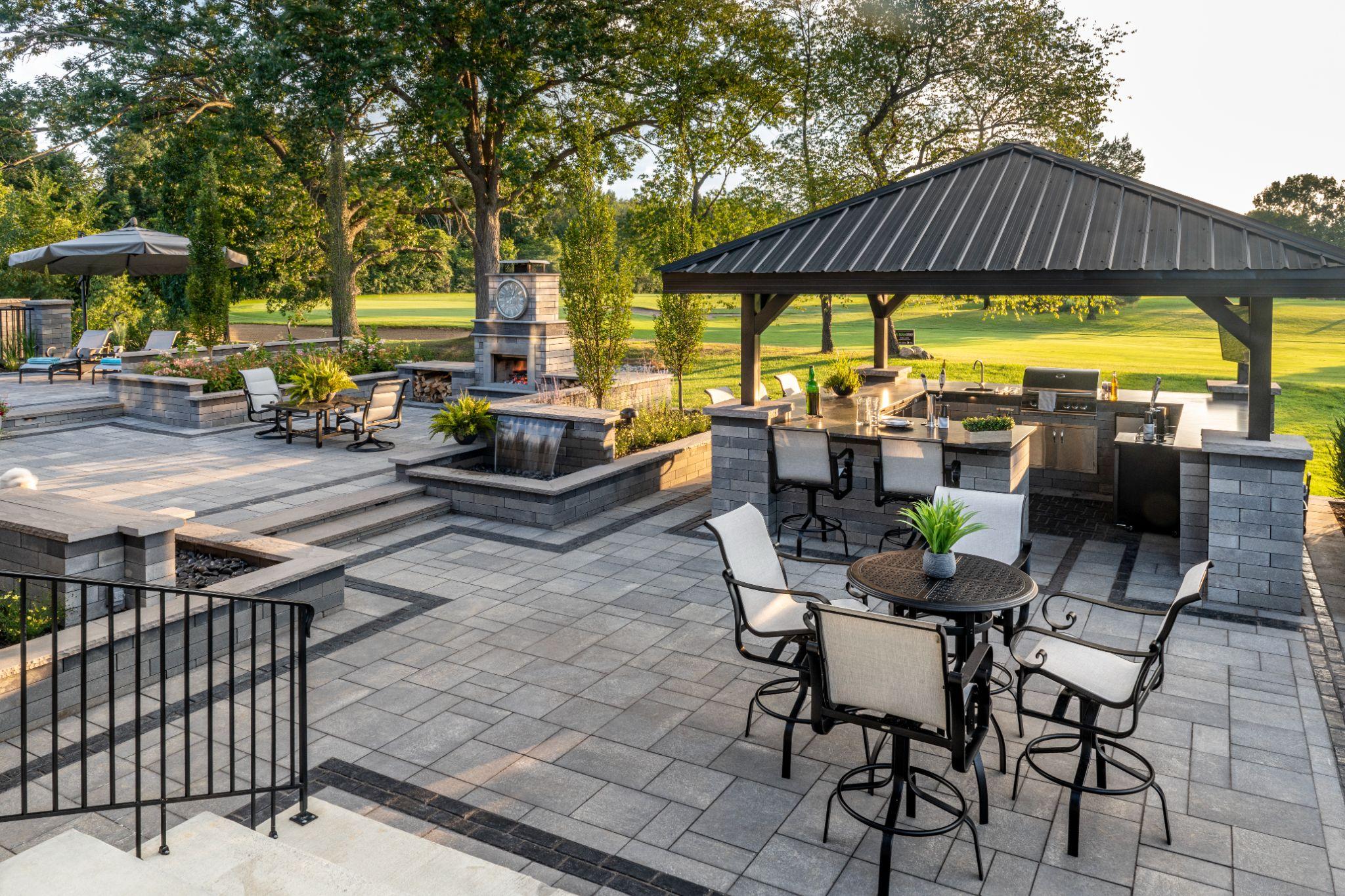
A patio that lasts begins with the correct gravel base for patio construction. Skipping steps or reducing base depth often leads to movement over time.
Start by assessing soil conditions. Sandy soil drains quickly but may shift. Clay retains moisture and expands during freeze-thaw cycles. Your gravel base for patio stability must account for these factors.
The right aggregates affect drainage structures like pipe drains, french drains, and soakaway pits. It all relies on the right aggregate drainage, so channel or strip drains are key. The types of aggregates you promate with drainage is important.
Typical installation steps include:
- Excavation to appropriate depth
- Compaction of subgrade
- Placement of geotextile fabric if needed
- Installation of base gravel in lifts
- Compaction between each lift
The gravel base for patio support usually consists of angular crushed stone. Its interlocking nature provides strength. Depth may range from 6 to 12 inches, depending on load and soil.
Uniform grading within your base material is essential. Inconsistent product can create hidden voids that later translate into visible settling.
You should also consider edge restraints. A stable gravel base for patio surfaces works together with proper edging to prevent lateral movement.
Homeowners often focus on surface stone colour or pattern. Contractors know that the unseen layers matter most. Investing in dependable landscape materials and gravel at the base stage reduces future maintenance.
Premium-grade aggregates typically offer:
- Better grading consistency
- Fewer oversized fragments
- Improved compaction performance
Value-priced products may suit lighter applications. However, extremely low-quality materials may contain debris or uneven sizing. That can affect both longevity and appearance.
When you are weighing options, think long term. A well-built gravel base for patio installations supports years of use. It also protects the overall aesthetic of your project.
Choosing landscape materials and gravel carefully at this stage sets the tone for the entire build.
Why Is Topsoil For Landscaping The Foundation Of Plant Health?
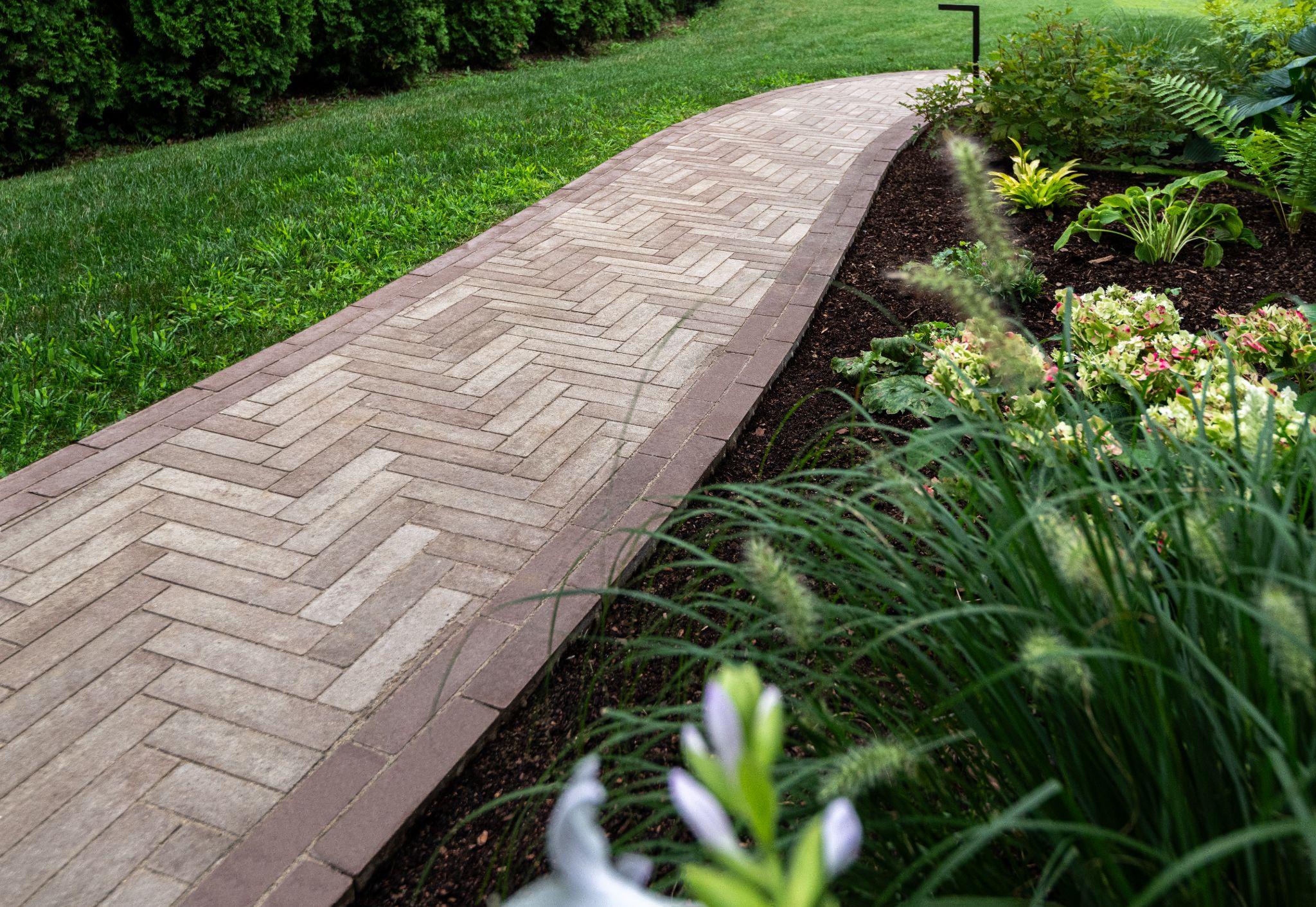
Healthy landscapes require more than stone and structure. Soil quality influences plant growth, drainage, and long-term maintenance. Topsoil for landscaping plays a central role.
Not all soil is equal. Screened topsoil for landscaping should provide:
- Balanced texture
- Organic matter content
- Proper drainage
- Minimal debris
Poor soil structure leads to compacted roots and weak plant development. Even beautiful hardscapes can feel incomplete if surrounding plantings struggle.
Topsoil for landscaping lawns differs slightly from soil used in garden beds. Lawns require smooth grading and consistent texture for even seeding. Garden beds may benefit from richer organic content.
When you choose landscape materials and gravel alongside quality soil, you create a balanced system. Hardscape manages structure and drainage. Soil supports growth and visual softness.
Bulk landscape materials often include blended soil options. These blends may incorporate compost for improved fertility. Selecting the right mix reduces the need for repeated amendments.
In regions near Georgian Bay, weather can be unpredictable. Good topsoil for landscaping helps manage excess moisture while retaining enough water for root systems.
Investing in quality soil supports:
- Strong root development
- Improved drought tolerance
- Reduced erosion
- Healthier turf and perennials
In coastal Ontario environments, soil must balance drainage with moisture retention to support root systems through variable weather.
When knowledgeable staff guide you through soil selection, you gain clarity about composition and intended use. That education protects your plant investment and strengthens your outdoor space overall.
How Do Compost Soil And Soil & Seed Strengthen Root Growth?
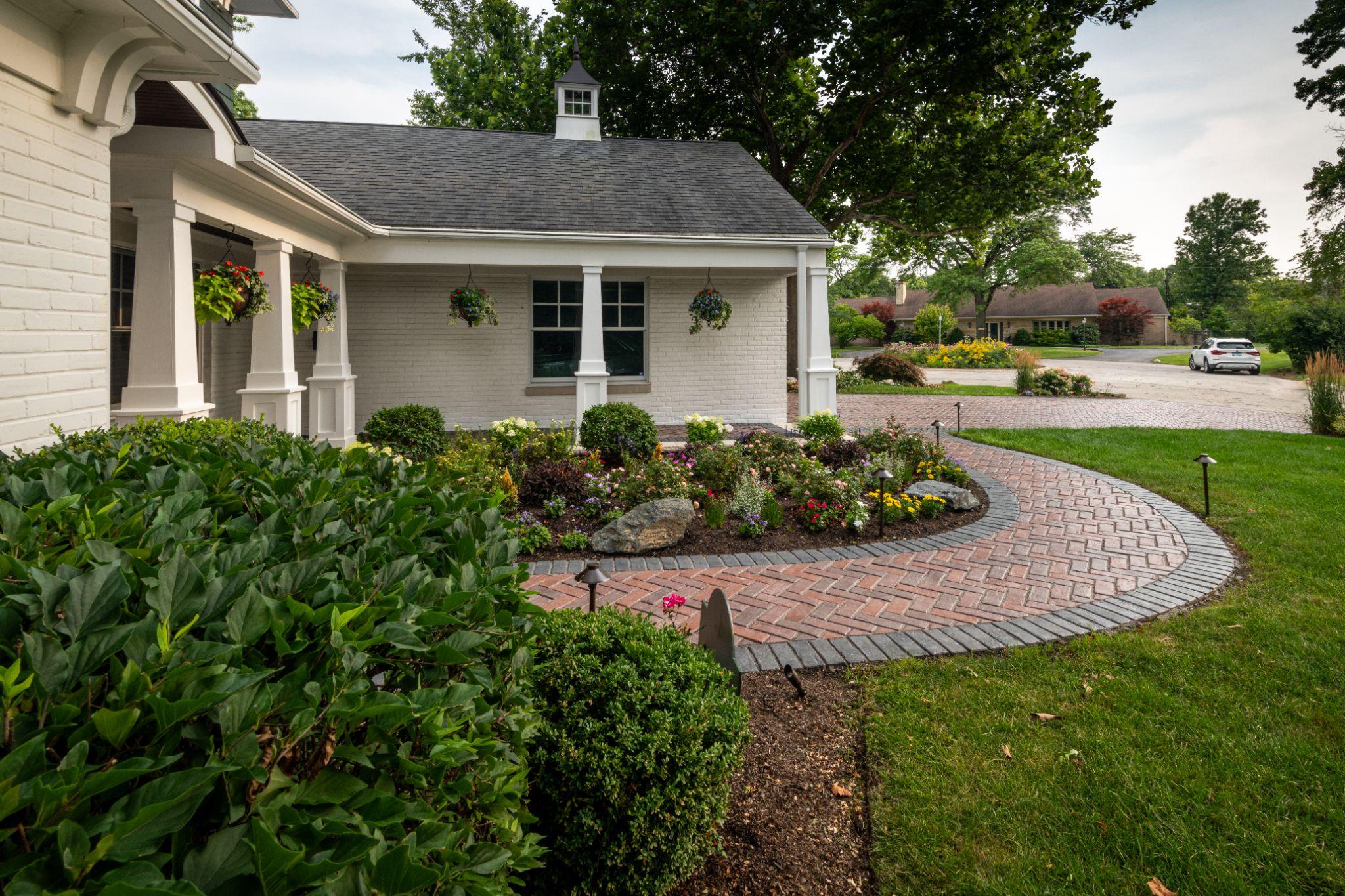
Strong roots are the difference between a landscape that survives and one that thrives. While landscape materials and gravel create structural stability beneath patios and walkways, healthy soil systems support everything that grows above them. Compost soil and soil & seed blends improve structure, nutrient availability, and moisture balance, helping your lawn and garden beds establish more reliably in Ontario’s varied conditions. When paired with quality topsoil for landscaping, these enriched blends create an environment where roots can expand deeply and anchor securely.
Compost introduces organic matter and beneficial microorganisms into the soil profile. Over time, this improves texture, drainage, and nutrient cycling. Soil & seed mixes simplify lawn installation by combining screened soil with compost and, in some cases, starter nutrients that support early-stage growth.
Key benefits include:
- Enhanced Water Retention: Compost increases the soil’s ability to hold moisture without becoming waterlogged. This is especially valuable during dry summer stretches or in sandy areas near Georgian Bay. Even moisture levels encourage consistent germination and reduce plant stress.
- Improved Aeration: Dense or compacted soils restrict oxygen flow to roots. Compost loosens soil structure, allowing better air exchange. Healthier aeration supports stronger root systems and improved nutrient uptake.
- Gradual Nutrient Release: Rather than delivering a short burst of nutrients, compost breaks down slowly. This steady release feeds plants over time and reduces the need for repeated amendments.
- Healthier Microbial Activity: Beneficial microorganisms help decompose organic matter and convert nutrients into forms plants can absorb. A biologically active soil system strengthens overall plant resilience.
- Stronger Lawn Establishment With Soil & Seed Mixes: Soil & seed blends maintain even moisture during germination and provide a uniform growing medium. Contractors appreciate the predictability of consistent bulk landscape materials for soil applications, while homeowners benefit from fuller lawns and garden beds.
When compost is integrated thoughtfully rather than layered superficially, root systems expand deeper and anchor more securely.
What Is The Best Mulch For Garden Beds And Clean Finishes?
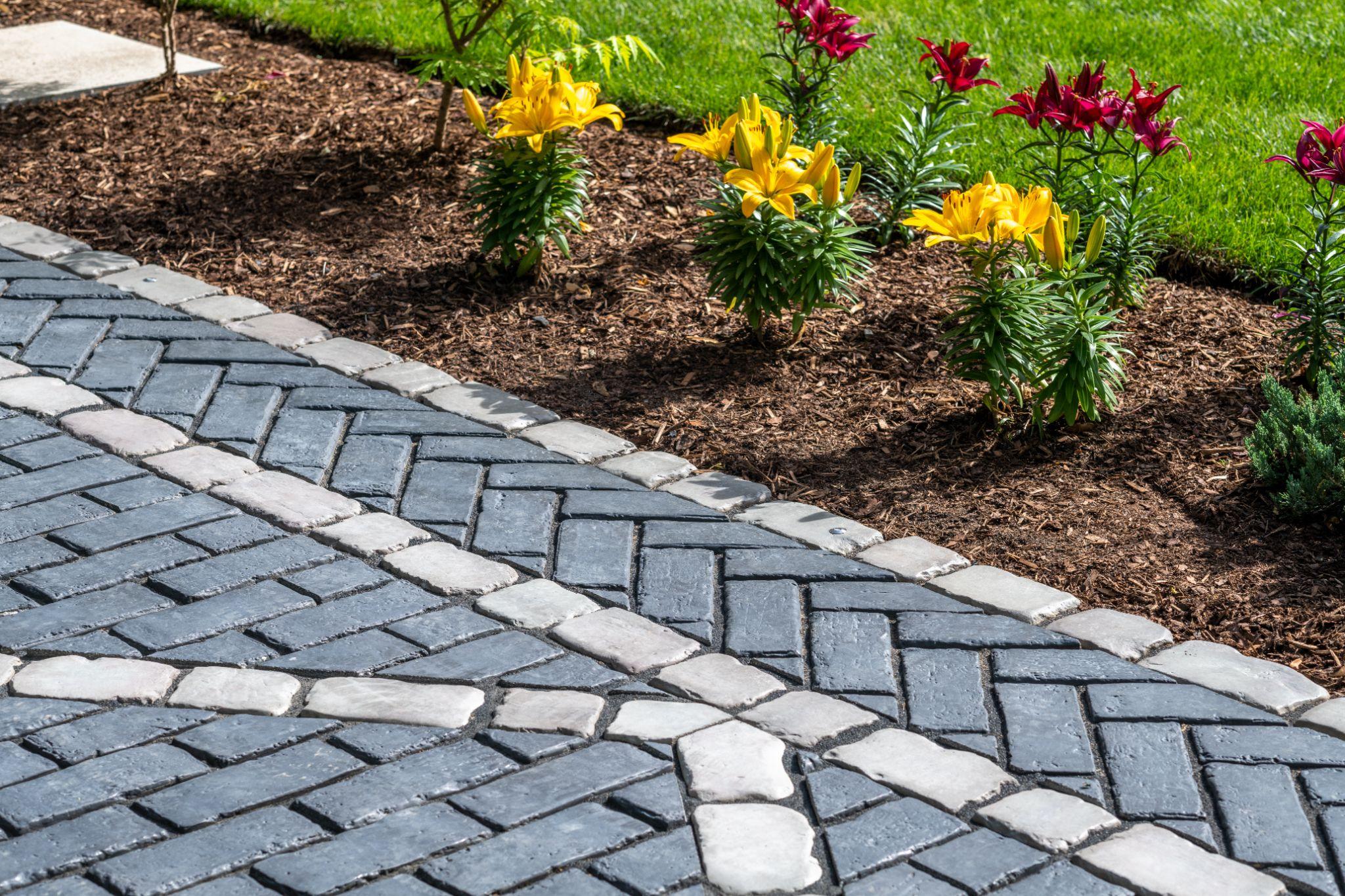
Mulch is often the final layer installed in a garden, yet it plays a far greater role than simple decoration. It protects the soil beneath, supports plant health, and gives your beds a finished, intentional appearance. The best mulch for garden beds depends on both function and personal preference. Common options include shredded hardwood mulch, cedar mulch, pine bark, and dyed decorative mulch. Each offers a slightly different texture, colour, and rate of decomposition.
The best mulch for garden beds should retain moisture, suppress weeds, regulate soil temperature, and gradually break down to enrich the soil.
In Ontario’s changing seasons, mulch helps insulate plant roots from temperature swings while reducing evaporation during warmer months. This protective layer also limits weed growth, reducing maintenance and preserving a clean surface.
Mulch visually ties your design elements together. It creates contrast against greenery and stone features, helping define garden edges and soften transitions between planting beds and hard surfaces. When paired with quality landscape materials and gravel, mulch enhances both structure and appearance. Stone provides stability and drainage, while mulch adds warmth and texture.
Premium mulch products typically offer more consistent shredding, fewer contaminants, and longer-lasting colour. Lower-quality options may contain oversized wood pieces or debris, leading to uneven breakdown and a less refined look over time. Choosing carefully improves durability and curb appeal.
The best mulch for garden beds should complement surrounding materials. Dark mulch pairs well with light-coloured stone, while natural cedar suits rustic properties near Georgian Bay. Apply mulch at a depth of two to three inches to protect roots without trapping excess moisture against plant stems. When sourced alongside other landscape materials and gravel, mulch delivery becomes efficient and cohesive across your entire project.
Why Is Sand Essential For Paver Leveling And Site Preparation?
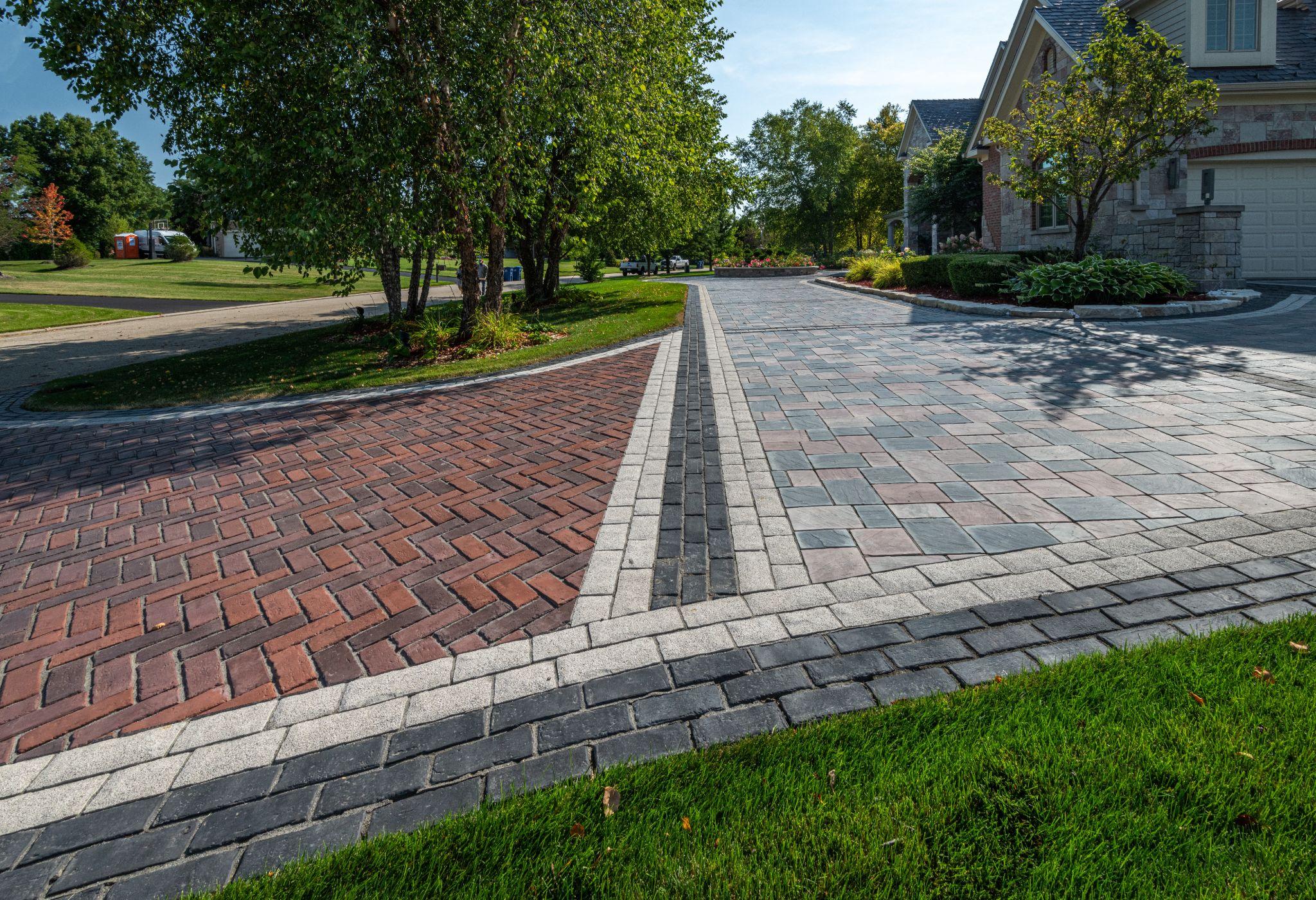
Sand may seem like a minor component in hardscape construction, yet it plays a precise and essential role within landscape materials and gravel systems. It forms the transition layer between the compacted base and the surface pavers, allowing for accurate placement and long-term stability. Without the right sand, even the best base preparation can fall short. For both contractors and homeowners, understanding how sand functions within layered construction helps protect the finished result.
Creating A Stable Bedding Layer
Screened concrete sand is commonly used as the bedding layer beneath pavers. This layer provides a smooth, level surface that allows minor adjustments during installation. When you set pavers into properly graded sand, you can fine-tune alignment and spacing before final compaction.
Without a consistent sand layer:
- Pavers may rock or shift
- Joint lines can appear uneven
- Surface settling becomes more likely
High-quality landscape materials and gravel include sand that is properly screened and free of excessive clay or organic matter. Contaminated sand can trap moisture and reduce drainage, affecting long-term stability.
Supporting Joint Integrity And Edge Restraint
In certain installations, sand also plays a role in joint filling. Fine sand swept between pavers helps lock units together and support edge restraints. This added friction reduces lateral movement and strengthens the entire surface system.
When integrated correctly with landscape materials and gravel, sand enhances both flexibility and durability. Each layer works together to distribute weight and resist shifting.
Improving Site Preparation And Grading
Sand is also valuable during site preparation. It assists with fine grading and helps establish accurate slope control for drainage. Proper grading prevents water from pooling on patios or near foundations.
A typical hardscape layering system includes:
- Subgrade
- Compacted base
- Sand bedding
- Surface material
Each layer serves a specific purpose. Skipping or compromising one affects the entire structure. For contractors, dependable sand supply reduces downtime and supports efficient workflow. For homeowners, it contributes to clean lines and even finishes. When you understand sand’s role within landscape materials and gravel, you recognize the importance of sourcing consistent, clean product for lasting performance.
How Does Reliable Supply Protect Your Project Momentum?
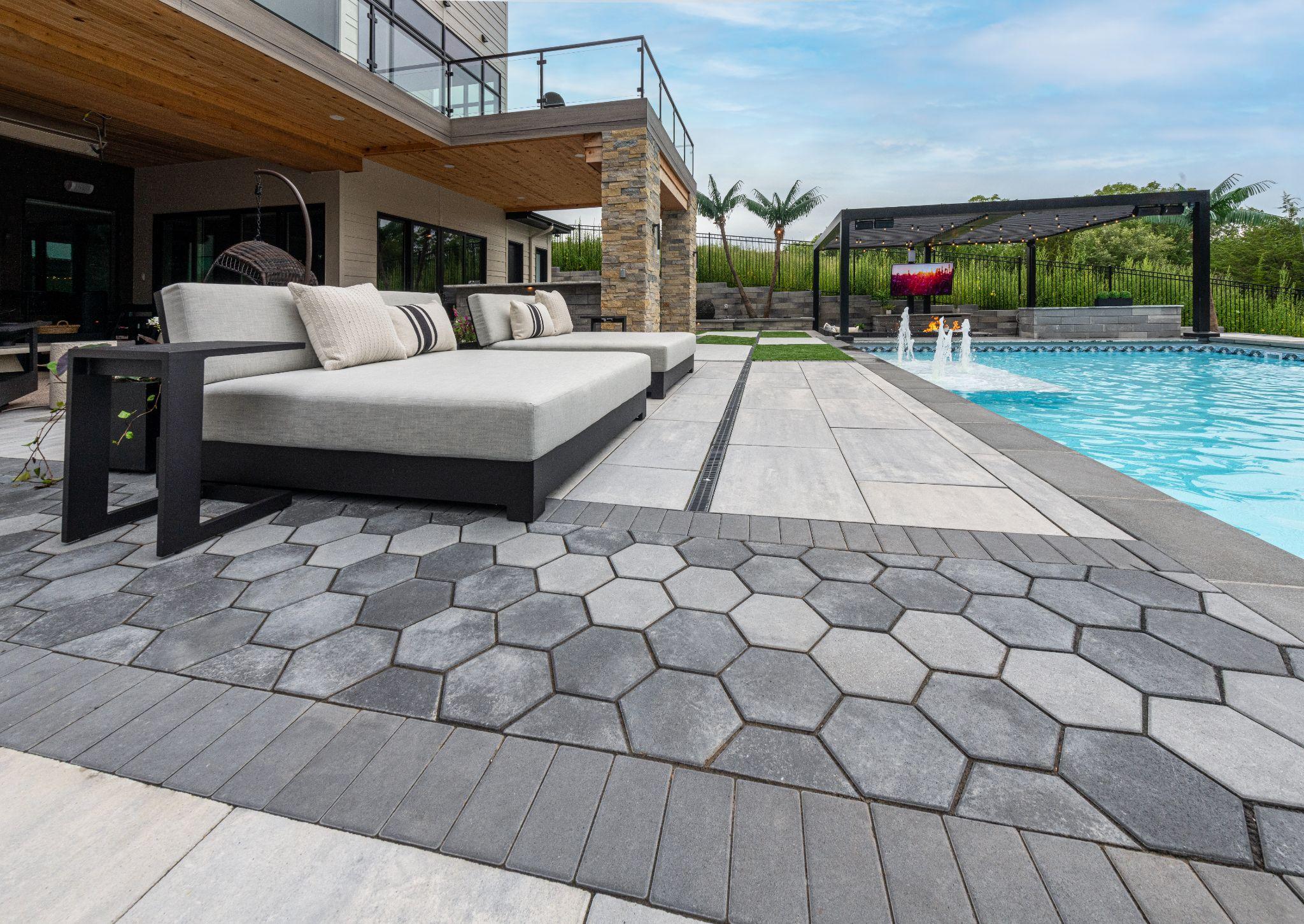
Material quality affects both structure and appearance. Reliable supply affects your schedule and confidence.
When you choose landscape materials and gravel from a dependable supplier, you gain:
- On-time delivery
- Accurate quantities
- Knowledgeable support
- Consistent product grading
Premium materials may require higher upfront investment. Yet they often deliver longer service life and fewer repairs. Value-priced products may suit certain applications. Extremely low-quality options can lead to cracking, shifting, or premature breakdown.
As you evaluate options, consider:
- Intended load
- Exposure to freeze-thaw cycles
- Desired finish quality
- Long-term maintenance expectations
Landscape materials and gravel influence resale value and curb appeal. Thoughtful selection supports return on investment.
At Georgian Bay Outdoors, respect is visible from the front door. Our team understands that this industry demands hard work. We aim to be advocates for contractors and homeowners alike. Education and guidance are part of every interaction.
Our experience in landscape architecture and decades in the field shape how our team supports you. Coaching comes naturally. You receive honest advice about where to invest in higher-end materials and where value options may work well.
Connection to nature matters here. Being right on Georgian Bay reinforces a commitment to sustainability and responsible sourcing. Community engagement, customer appreciation events, and open conversations build trust.
Landscape materials and gravel are not simply products. They are the foundation of outdoor spaces where families gather and businesses grow.
Building Strong Outdoor Foundations Together
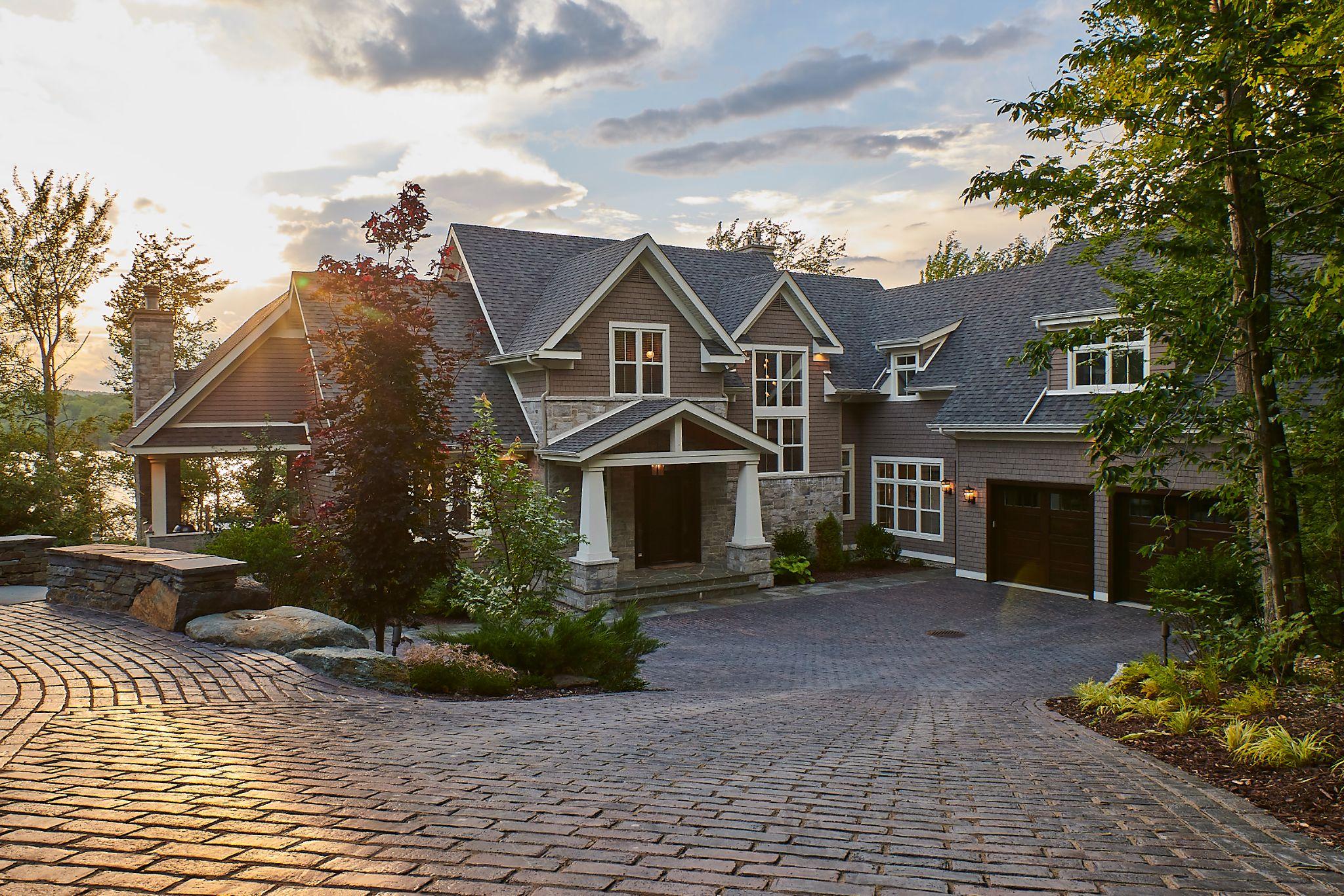
Strong outdoor spaces begin below the surface. When you understand how landscape materials and gravel, soil blends, mulch, and sand function together, you approach your project with clarity and confidence. Each layer has a purpose. The base supports weight and resists movement. Soil encourages healthy root systems. Mulch protects and finishes garden beds. Sand refines leveling and alignment. When these components are selected carefully, your entire landscape performs better through Ontario’s freeze-thaw cycles and seasonal shifts.
By focusing on the right landscape materials and gravel from the start, you protect your timeline and reduce the likelihood of future corrections. Contractors benefit from consistent supply and predictable performance. Homeowners gain peace of mind knowing their patios, pathways, and plantings are supported by materials suited to local conditions. Careful selection improves long-term durability, strengthens plant health, and maintains clean, defined finishes year after year.
At Georgian Bay Outdoors, respect, honesty, and trust shape every conversation. Our team understands the realities of job sites and the expectations homeowners carry into a new project. With decades of hands-on experience and strong roots in this region, we guide you toward landscape materials and gravel that perform reliably in real Ontario environments. Education is part of our process because informed decisions lead to better outcomes.
Whether you are managing crews on a tight schedule or upgrading your own property, you deserve dependable delivery and knowledgeable support. When you are ready to move forward, connect with Georgian Bay Outdoors and request a quote.
Summary
If you are planning an outdoor project, understanding landscape materials and gravel helps you build with confidence from the ground up. Every successful patio, pathway, or garden bed relies on properly layered materials that support both structure and appearance. A stable base reduces shifting and settlement. Quality soil encourages strong root growth and healthier lawns. Mulch and finishing layers protect surfaces and complete the overall look. When you choose consistent products and coordinate delivery carefully, you protect your schedule and reduce unexpected setbacks. Durable materials perform better through Ontario’s freeze-thaw cycles, heavy rain, and seasonal temperature swings. Clear guidance from an experienced supplier also helps you select the right products for your specific site conditions. With the right approach to landscape materials and gravel, your outdoor space will look refined, function properly, and remain resilient for years to come.
Tags: