
2026 Landscaping Trends in Collingwood: Ideas to Inspire Your Next Project
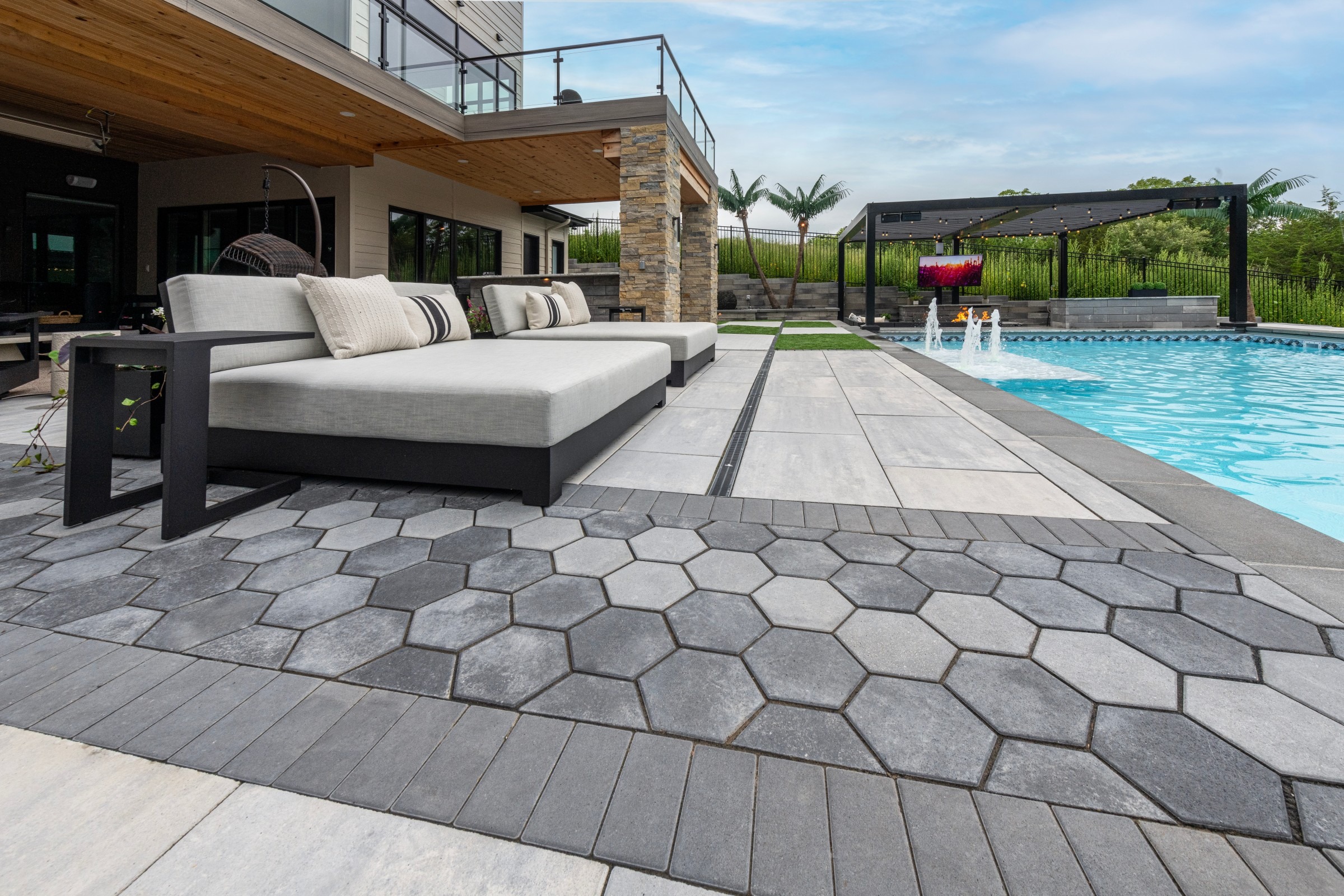
Landscaping never stands still, and as 2026 approaches, sustainability is shaping every conversation. Clients expect you to create outdoor spaces that are beautiful and environmentally friendly. They worry about water waste, soil health and the impact of imported plants on pollinators. Yet many gardens still rely on thirsty lawns, non‑native species and impermeable surfaces that create runoff. The pressure is on to deliver landscapes that withstand Collingwood’s freeze‑thaw cycle while supporting local ecosystems. Ignoring this shift could lead your customers to competitors who adopt eco-friendly practices.
In this guide, you’ll learn how native plants reduce maintenance, how permeable pavers allow rain to soak back into the ground, and why locally sourced stone and reclaimed wood resonate with clients who value authenticity.
Explore our guide to landscape supplies in Collingwood to find materials that support innovative, sustainable designs for every type of outdoor project.
How Are Outdoor Living Rooms Influencing Landscaping Trends 2026?
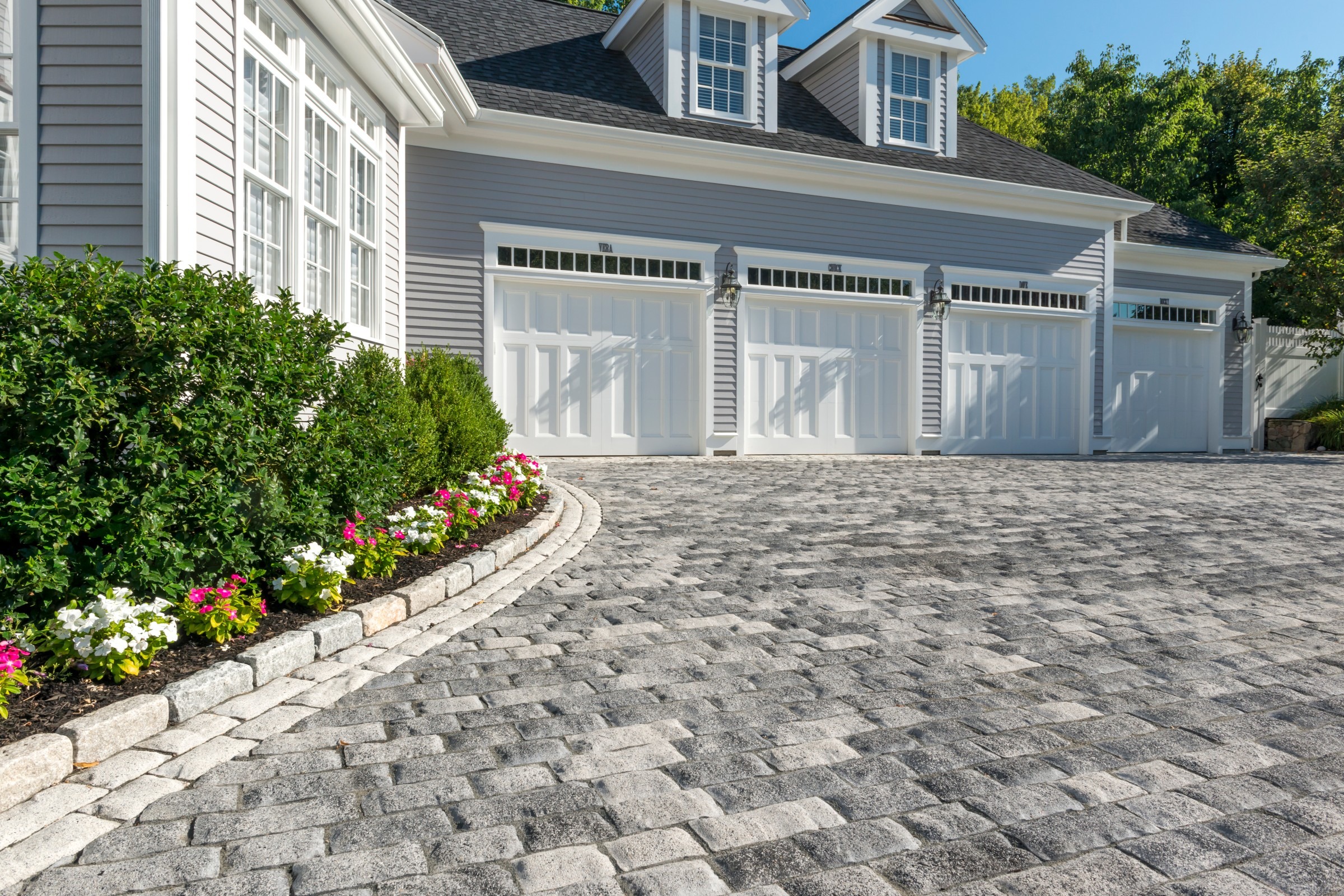
Gardens are no longer just for plants; they are becoming extensions of the home. Landscaping trends 2026 highlight the rise of outdoor living rooms in Canada. People want fully furnished spaces with comfortable seating, weather-resistant fabrics, and heating for three-season use. Large sliding and accordion glass doors are making indoor–outdoor transitions smoother and more affordable, while pergolas with louvred roofs allow homeowners to control sun and shade. In Collingwood, where summers are short and winters long, covered patios and pergolas extend the season and provide shelter from rain or snow. Covered outdoor spaces with heaters or fire features extend use into cool autumn evenings without the need to move indoors.
The trend toward outdoor living also supports the use of modular and multifunctional spaces. Homeowners are converting balconies and small yards into multifunctional areas, utilizing vertical gardens, fold-down tables, and built-in storage. Larger yards might feature separate zones for dining, lounging, children’s play and quiet reading. Modular furniture makes it easy to reconfigure these spaces for different occasions. When planning landscaping trends for 2026 projects, encourage clients to consider how they will utilize their outdoor spaces. Ask whether they would like a bar area near the grill, a cozy nook for morning coffee, or a shaded space for midday work. Layout planning is about problem-solving: by addressing wind direction, sun exposure, and traffic flow, you ensure a comfortable and functional space.
Heating and fire features remain popular focal points. Bioethanol fireplaces and propane fire tables provide warmth without smoke and require little maintenance. These features pair well with outdoor sofas and dining sets, turning a patio into an inviting lounge. You can also suggest durable fabrics and removable cushions for easy cleaning and protection against the weather. Clients appreciate detailed advice on materials that withstand Collingwood’s freeze–thaw cycle while remaining comfortable and stylish. When presenting options, use bullet points to summarize choices, such as:
- Weather‑resistant sofas with removable, washable covers.
- Pergolas with retractable canopies or louvered roofs for shade and shelter.
- Gas fire tables or ethanol fireplaces for clean, warm ambiance.
- Vertical gardens or trellises to maximize greenery in small spaces.
By incorporating these elements, you can adapt 2026 landscaping trends to Canada’s climate and help clients enjoy their outdoor rooms longer.
Why Is Technology Shaping Landscaping Trends 2026?
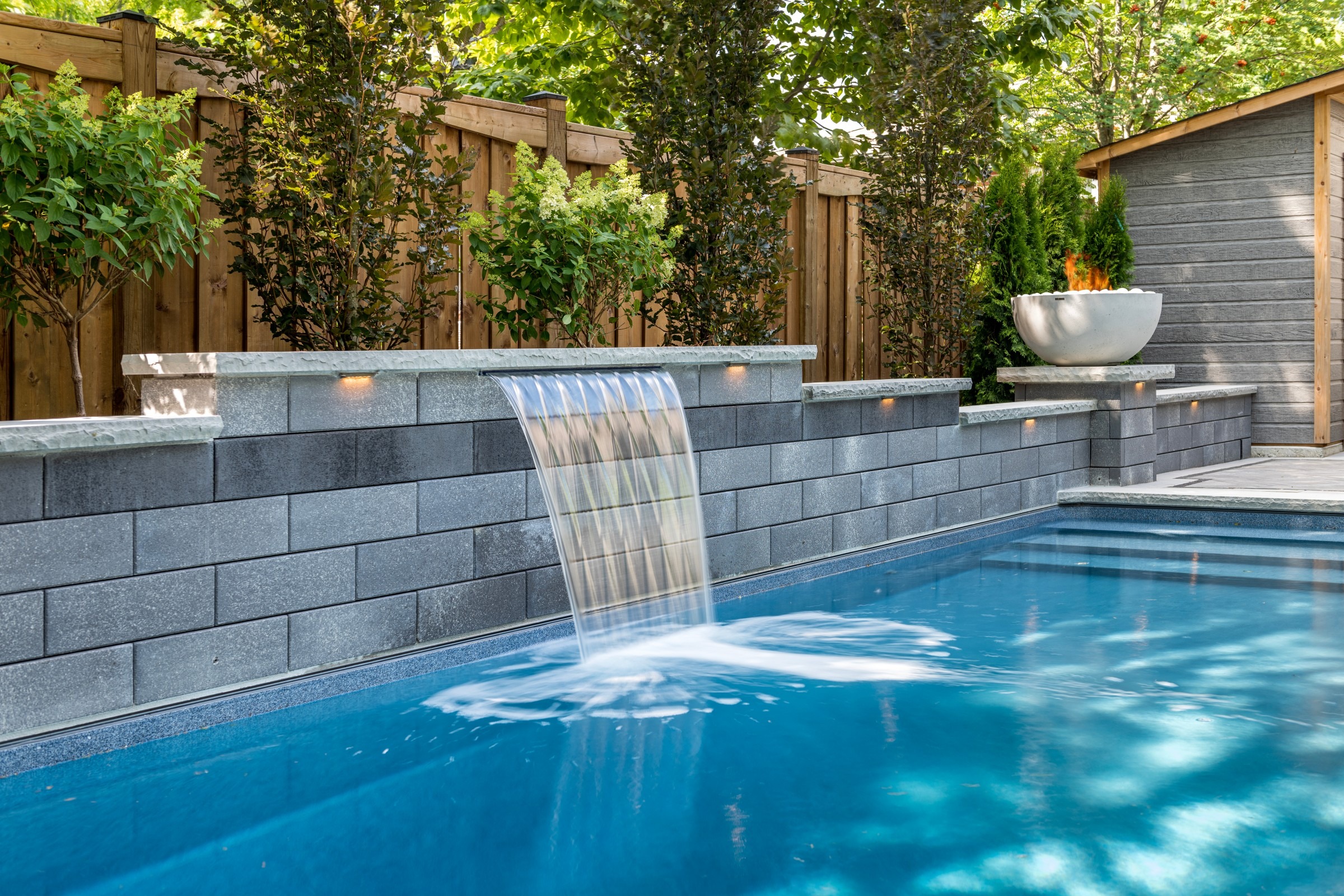
Technology isn’t just for living rooms; it’s also transforming gardens. Smart devices help you manage watering, lighting, and lawn care with precision, making outdoor spaces easier to maintain and more responsive to local weather conditions. In 2026, homeowners expect app-controlled systems and automation that save time and resources. Contractors who understand these tools can set themselves apart.
Automated Irrigation And Smart Sprinklers
Automated irrigation systems sense soil moisture and adjust watering based on rainfall forecasts. Smart sprinklers connect to Wi-Fi and integrate with weather services, so they reduce watering during wet spells and increase output during heatwaves. In a region like Collingwood, where drought and downpour can occur in the same season, these systems conserve water and keep plants healthy. You can program them from a phone or voice assistant, giving clients control without the need for manual valves or guesswork.
Smart Lighting And Wildlife‑Friendly Illumination
Lighting has evolved beyond simple spotlights. Energy‑efficient LEDs now pair with motion sensors and voice commands to create dynamic settings for pathways and patios. You can set up schedules that illuminate steps when guests arrive or dim lights at bedtime. Fixtures with shields and warm bulbs direct light downward, reducing glare and supporting nocturnal pollinators and migratory birds. By striking a balance between safety and ecological sensitivity, you can enhance the garden’s ambiance without harming wildlife.
Robotic Mowers And Connected Gadgets
Robotic lawn mowers quietly cut grass on their own, navigating slopes and obstacles with the aid of sensors. They maintain a consistent height and return to their charging stations automatically, freeing homeowners from the need for weekly mowing sessions. Other devices, such as soil-moisture probes, app-controlled water features, and weather stations, provide real-time data and remote control over garden systems. When combined, these technologies make landscapes smarter, enabling clients to enjoy their outdoor spaces without the need for constant maintenance.
Are Bold Hardscape Designs Part Of Landscaping Trends 2026?
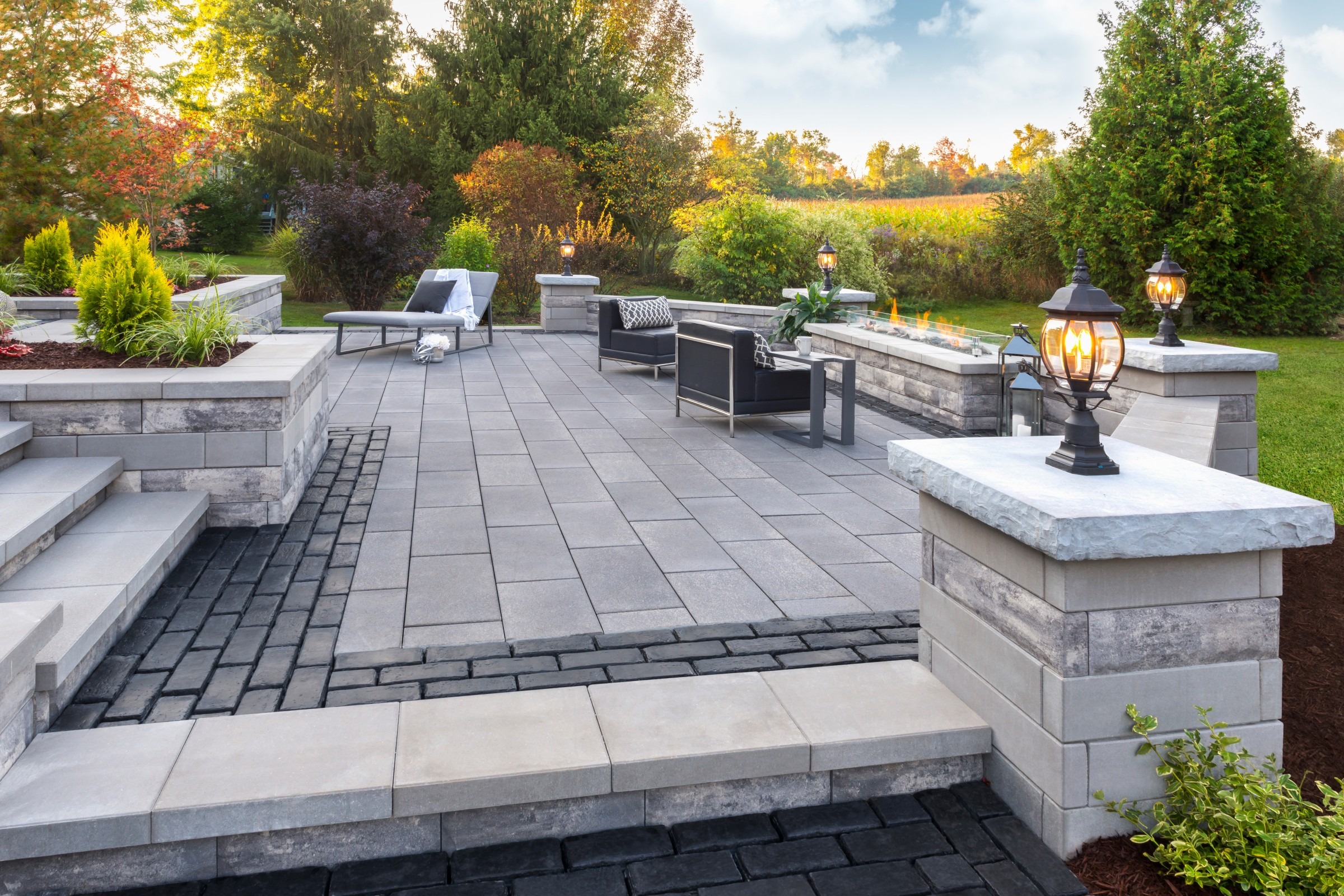
Yes, bold hardscape designs are a defining feature of landscaping trends 2026. Pavers and slabs are moving toward larger formats and cohesive designs. Large-format slabs create a smooth, spacious look with fewer joints, making small patios appear larger. The trend toward unity also encourages matching colours across pavers, steps and wall elements. For example, using monochromatic tones like beige or grey provides a minimalist look that complements modern homes.
Personalization is another hallmark of hardscaping. Homeowners mix textures and shapes, such as cobblestone, flagstone and hexagonal pavers, to create unique patterns. Paver inlays and contrasting borders define zones, like separating a dining area from a garden path. For surfaces, porcelain tiles offer durability and sleek aesthetics, making them suitable for patios and outdoor kitchens. At the same time, clients are increasingly requesting biophilic design elements that connect them to nature. Natural elements, such as fire, water, and stone, along with organic shapes and earthy tones, help achieve this. Consider adding a small fountain or fire pit to enhance the sensory experience within the hardscape.
When selecting materials for landscaping trends in 2026, look for products that can withstand freeze–thaw cycles and require minimal maintenance. Permeable pavers and cement‑free slabs, discussed earlier, contribute to sustainability while offering stylish options.
How Do Winter‑Friendly Ideas Fit Into Landscaping Trends 2026?
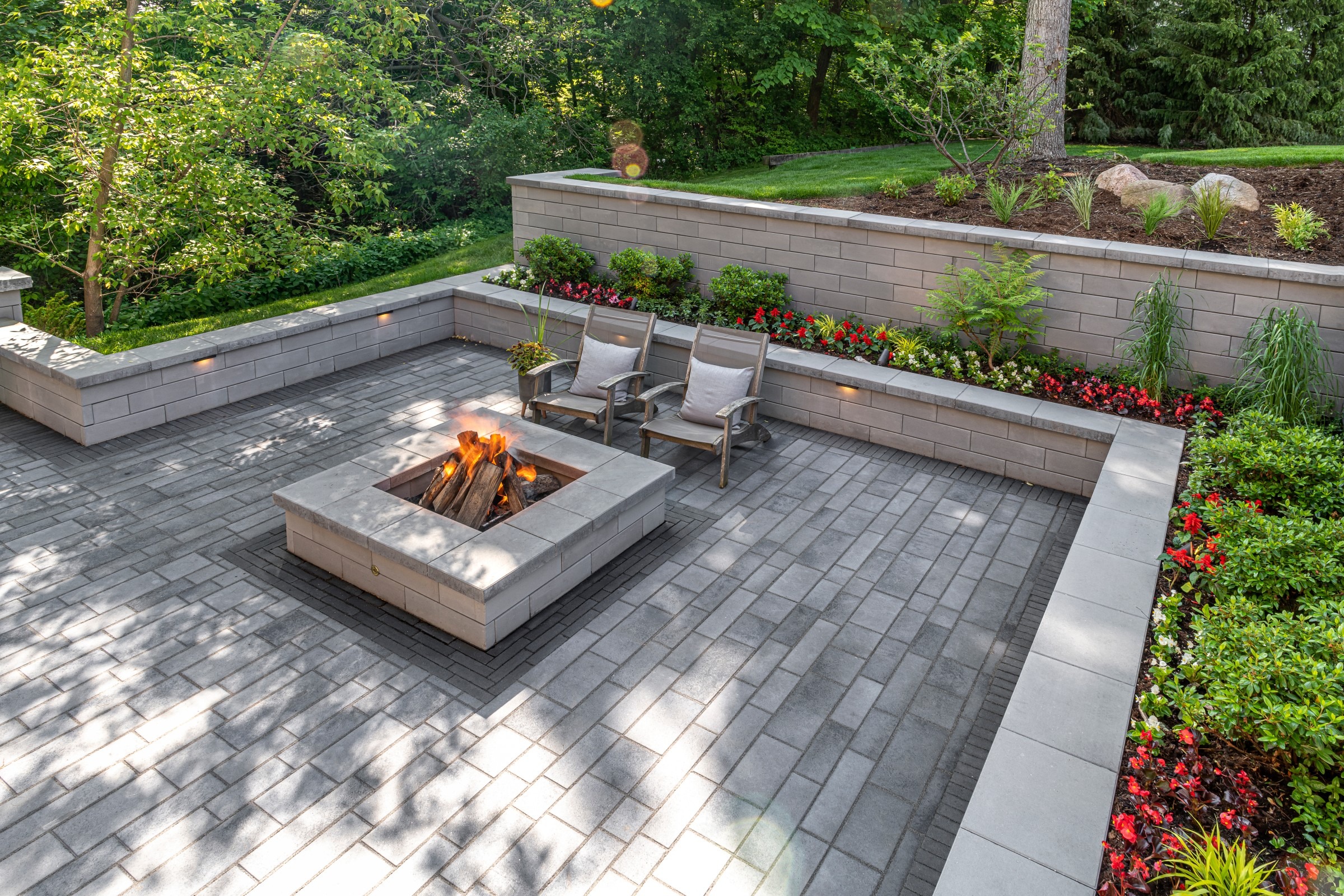
In Collingwood’s climate, landscapes should maintain visual interest throughout the winter, even when covered by snow. Landscaping trends for 2026 encourage a four-season design that embraces winter’s beauty instead of ignoring it. Evergreens, such as juniper, spruce, and cedar, provide colour and structure throughout the year. Their snow‑dusted branches look beautiful during the holidays and offer shelter for birds. Ornamental grasses add texture; their dormant blades and feathery seedheads remain upright, providing depth in snowy landscapes.
Trees with interesting bark add visual interest after the leaves have dropped. Red dogwood, golden amur cherry and white birch all offer striking bark colours. Mountain ash keeps its berries through the winter, adding pops of colour and attracting birds. To design winter-friendly landscapes, encourage clients to incorporate structural elements such as stone walls, sculptures, or low seat walls that remain visible year-round. Lighting also plays a key role: warm LED lights along pathways and focused spotlights on evergreens create a magical atmosphere on long winter nights. When discussing winter features, propose a checklist:
- Plant evergreens like juniper, spruce or cedar for year‑round colour.
- Use ornamental grasses for texture in snowy landscapes.
- Add trees with colourful bark (dogwood, amur cherry, birch).
- Include berries and fruits, such as mountain ash, for winter wildlife.
- Install pathway lighting to make gardens inviting during darker months.
By applying 2026 landscaping trends thoughtfully, you can design outdoor spaces that offer year-round appeal and attract clients who appreciate sustainable, four-season landscapes.
How Can Georgian Bay Outdoors Support Your Landscaping Trends 2026 Project?
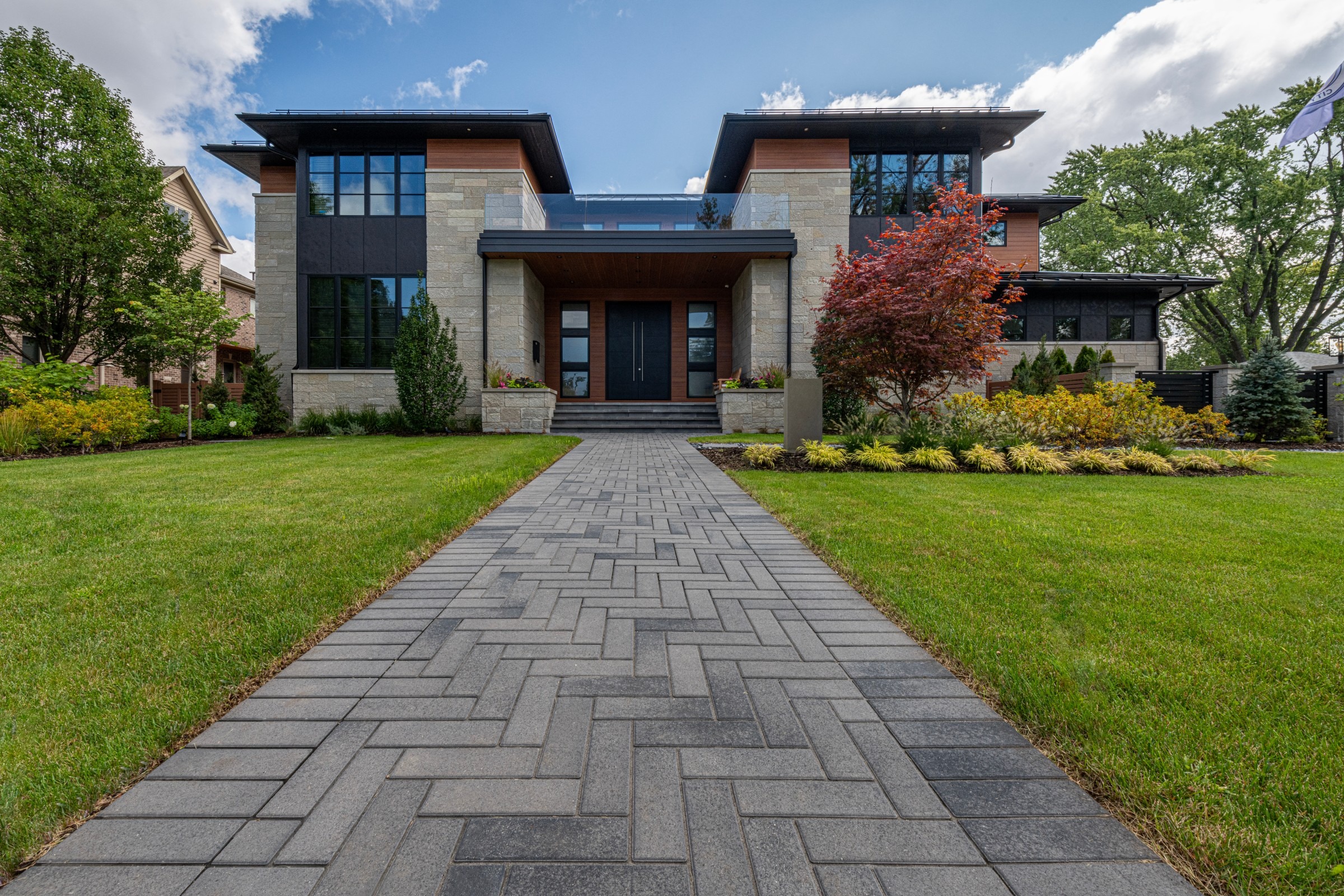
At Georgian Bay Outdoors, we believe that successful landscapes begin with respect for our clients and their environment. Our team lives and works on the shores of Georgian Bay, so we understand Collingwood’s climate and the challenges of the freeze‑thaw cycle. When planning your 2026 landscaping projects, you deserve partners who listen, provide honest advice, and help you make informed choices. Led by a trained landscape architect with over twenty-five years of experience, our team understands both Collingwood’s climate and the needs of local contractors.
If you’re ready to explore how these trends can inspire your next project, visit our yard or explore our website. We’d love to show you new paver styles, eco‑friendly solutions and smart technologies that match your vision. Contact us today to discover how Georgian Bay Outdoors can bring your 2026 landscaping trends project to life.
Summary
This blog explored the leading landscaping trends 2026 and how they influence projects in Collingwood. You learned about sustainability, including native plants, permeable pavers and local materials. We discussed outdoor living rooms, modular designs and covered patios. Smart technology, such as automated irrigation, smart lighting and robot mowers, simplifies maintenance. Bold hardscape designs feature large slabs, cohesive colours and personalized textures. Winter-friendly landscapes feature evergreens, ornamental grasses, and colourful bark to provide year-round interest. Finally, we highlighted how Georgian Bay Outdoors supports you with expertise, sustainable products and a community‑minded approach. Keep these insights in mind as you plan your next outdoor project.
Tags: