
Hardscape Decisions: Choosing Between Natural Stone, Pavers, & Concrete in Collingwood

For homeowners in Collingwood, deciding between natural stone, interlocking concrete pavers, or a poured concrete slab for a new patio or walkway isn’t just about looks; it’s about long-term durability and value. Each material has its champions among contractors and clients, sparking the classic pavers vs concrete debate and even raising the question of where natural stone vs concrete pavers fit in. The challenge is amplified by Collingwood’s harsh freeze-thaw cycles each winter, which can wreak havoc on outdoor surfaces if you choose the wrong material. You don’t want to invest in a gorgeous patio only to see it crack after a couple of icy winters or become dangerously slippery with a bit of frost. Conversely, choosing the right materials will reward you with an outdoor space that stays beautiful and safe for years to come. By understanding the pros and cons of each option and how they perform in our Georgian Bay climate, you can find the best patio material in Collingwood for your project. Let’s explore each choice in detail to help you make an informed decision.
Natural Stone vs Concrete Pavers: Pros & Cons
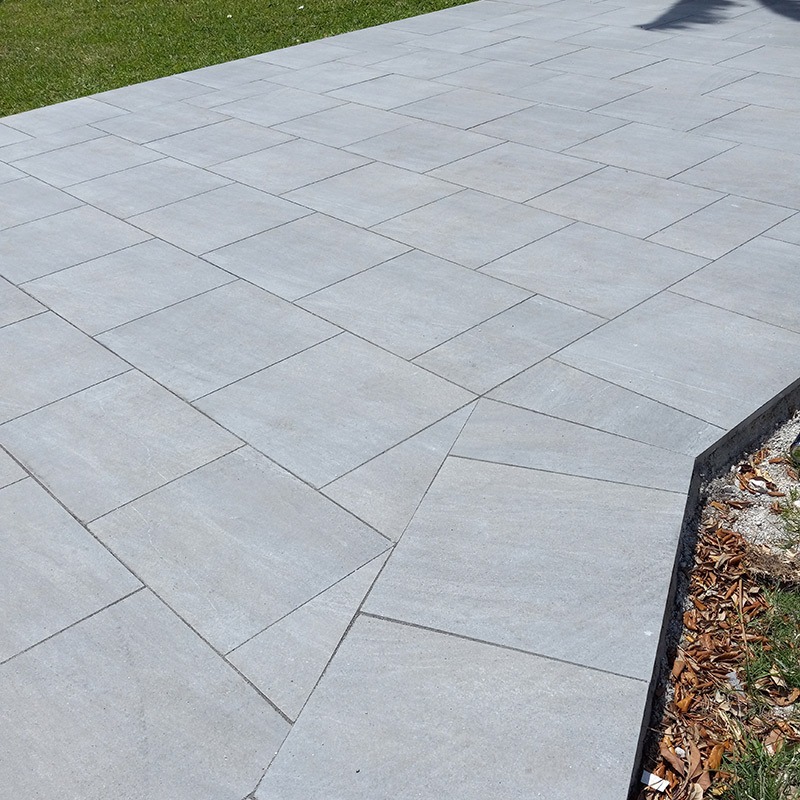
Natural stone, concrete pavers, and poured concrete each bring unique benefits and drawbacks to outdoor projects. Let’s compare their characteristics and see how each option stacks up for Collingwood homes.
Natural Stone: Timeless Beauty & Durability
When envisioning premium outdoor living spaces, natural stone frequently stands as the material of choice, offering an unmatched blend of aesthetic appeal and robust performance. In regions like Ontario, materials such as flagstone, limestone, and granite are particularly popular, each celebrated for its inherent uniqueness. The beauty of natural stone lies in its variability; no two pieces are ever identical, guaranteeing a distinctive and personalized look for every project. This inherent diversity in colour, texture, and shape contributes to a truly organic and sophisticated ambiance that synthetic materials simply cannot replicate.
Beyond its captivating appearance, natural stone boasts exceptional durability, making it a remarkably resilient option for exterior applications. It is capable of withstanding decades of exposure to harsh weather conditions, heavy foot traffic, and general wear and tear with minimal signs of deterioration. Unlike many manufactured alternatives, natural stone retains its original colour vibrancy indefinitely, resisting the fading effects of sunlight and precipitation. Furthermore, its naturally textured surface provides superior slip resistance, enhancing safety in areas that may become wet, such as patios, walkways, and pool surrounds. For homeowners in specific areas, like Collingwood, there’s the added advantage of sourcing local stone, such as Georgian Bay limestone. This not only supports local industries but also ensures that the chosen material harmonizes seamlessly with the surrounding environment and regional architectural styles, creating a cohesive and authentic outdoor aesthetic.
However, the undeniable luxury and longevity of natural stone come with a significant investment. It is typically the most expensive option among outdoor surfacing materials, both in terms of the raw material cost and the associated installation labour. The intrinsic weight and often irregular shapes of individual stone pieces necessitate a highly skilled and labour-intensive installation process. Each piece requires careful handling, precise placement, and often custom cutting to ensure a seamless and structurally sound result. This intricate work demands experienced professionals who understand the nuances of working with natural materials, leading to higher labour costs compared to more uniform and easily laid alternatives. In essence, while natural stone promises unparalleled beauty, an enduring legacy, and exceptional functionality, achieving optimal results requires a substantial budget and the expertise of seasoned professionals. This investment, however, translates into an outdoor space of timeless elegance and lasting value that will be enjoyed for generations.
Concrete Pavers: Versatile and Reliable
Concrete pavers are a versatile middle-ground choice that offers a balance of beauty and practicality. Manufacturers like Unilock and Permacon produce pavers in a wide array of shapes, colours, and textures; many can mimic the look of natural stone at a lower cost. You can achieve a custom patio look without breaking the bank. Pavers are uniform in size, which makes them easier and faster to install than irregular natural stones. They form a modular surface that’s extremely durable yet slightly flexible. In cold climates, that flexibility is a big plus: a paver patio can shift with the ground during freeze-thaw cycles, helping to prevent cracks. If a paver does get damaged, you can replace that one unit rather than redoing the whole area. And because most pavers have textured surfaces and sand-filled joints, they offer solid traction in wet or icy conditions.
On the flip side, pavers usually cost more upfront than a basic concrete slab (though still less than premium natural stone). They also require a well-prepared base and edge restraints to stay level. If not installed correctly, they may shift or allow weeds to sprout between them. Maintenance for a paver patio can include occasional re-sanding of joints and sealing every few years to guard against stains or colour fade. For most homeowners, these minor upkeep tasks are a fair trade-off for a patio that remains attractive and winter-tough year after year.
Poured Concrete: Affordable but Crack-Prone
Poured concrete (whether a basic grey slab or a decorative stamped patio) is often chosen for its simplicity and budget-friendliness. It’s typically the cheapest per-square-foot option, which makes it appealing for large areas or projects on a tight budget. Installation is quick, creating a seamless surface in a matter of days. If desired, the slab can also be stamped or tinted to mimic the look of stone or brick, achieving an upscale effect without a high-end price tag.
Despite these advantages, Collingwood’s climate poses challenges. A poured slab is one big, rigid piece, so it’s more prone to cracking when the ground freezes and thaws. Expansion joints and good installation practices help, but over time, cracks or surface frost damage may still appear. And once concrete cracks, repairs are difficult and often visible. Regular sealing can reduce water penetration and slow down freeze damage, but that adds ongoing maintenance. Smooth concrete can also become slippery in winter conditions, so many people opt for a broom-finished surface or add grit for traction. Finally, unless you pay for stamping or colouring, plain concrete has limited decorative appeal. In short, poured concrete provides a clean, functional surface at low cost, but it may not stay flawless through decades of Collingwood freeze-thaw cycles.
Pavers vs Concrete: Choosing the Best Patio Material in Collingwood
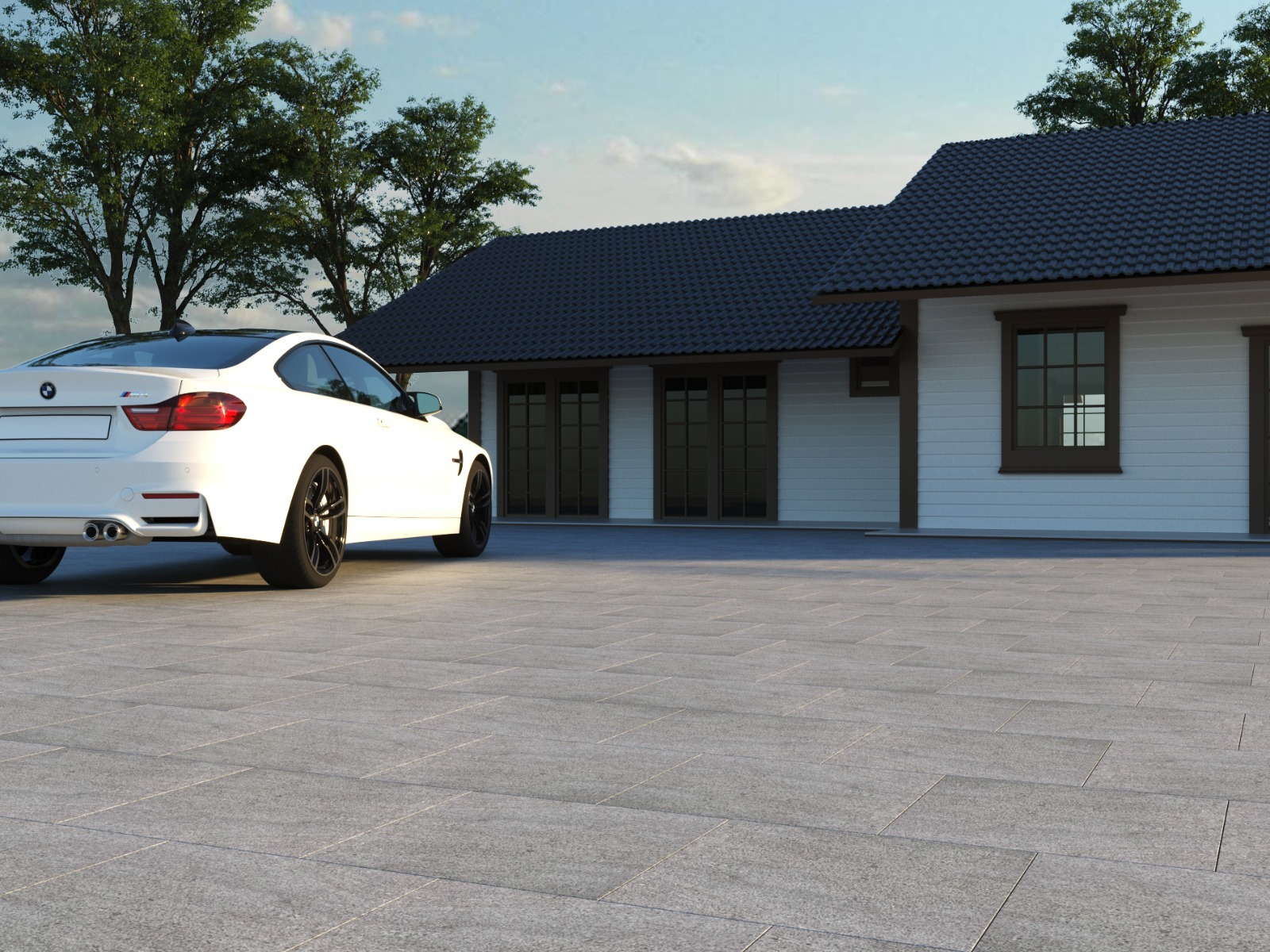
Choosing the best patio material in Collingwood comes down to balancing our climate conditions, your aesthetic goals, and practical needs. Each option (natural stone, pavers, or poured concrete) can excel in the right scenario. Below are a few key local considerations to inform your decision.
Climate & Freeze-Thaw: Collingwood’s cold winters and frequent freeze-thaw cycles mean you need a material that can handle ground movement. In this regard, interlocking pavers (or natural stone laid on a flexible base) have an advantage: the many small units can shift slightly without cracking. A solid poured concrete slab, on the other hand, is more likely to crack if the earth heaves. Natural stone pieces are extremely strong, but if set in rigid concrete, they could be affected similarly. For the best durability in our climate, a segmented system (pavers or dry-laid stone) generally offers more forgiveness during winter frost. Also consider exposure to road salt: some concrete products are formulated to resist salt better than others, so ask your supplier if that’s a concern on your property.
Safety & Maintenance: Safety in wet or icy conditions is another factor. Natural stone and textured pavers generally provide better traction than a slick concrete slab. Their rough surfaces and joint lines give grip, whereas smooth concrete can become slippery when wet. If you opt for concrete, a broom finish or adding a non-slip additive can improve traction in winter. In terms of upkeep, natural stone is the lowest maintenance (it can often go decades with little more than an occasional wash). Pavers require a bit more care: you may need to top up joint sand or apply sealer every few years to keep them looking their best. Concrete is mostly “set it and forget it” at first, but it benefits from sealing to prevent moisture damage and, if cracks do form, repairs can be more involved than swapping out a paver.
Project Fit & Aesthetics: Think about the style of your property and how you’ll use the space. For a high-end or classic look (say, a ski chalet or lakefront home), the organic beauty of natural stone might be worth the investment; it lends a premium feel that’s hard to replicate. For most family backyards or modern designs, concrete pavers strike a great balance by offering a clean look, lots of design options, and reliable performance in all seasons. If budget is the driving factor or you’re covering a large utilitarian area, a plain concrete slab might be the most practical choice. It won’t have the wow factor of stone or the patterns of pavers, but it gets the job done cost-effectively. Lastly, keep an eye on newer materials too: for example, porcelain pavers have emerged as an extremely durable, upscale option. They’re non-porous and don’t crack in extreme weather, making them well-suited for Collingwood patios that demand both elegance and endurance.
Each material has distinct strengths, and the right choice truly depends on your budget, design goals, and how you’ll use the space. There’s no one-size-fits-all answer. That is why it helps to talk to a local expert and weigh the trade-offs for your particular project.
Helping You Understand if Pavers vs Concrete is Best
At Georgian Bay Outdoors, we supply a huge selection of natural stone, concrete pavers, and even the latest porcelain pavers, and our experienced team is happy to assist with your decision. Feel free to visit our Collingwood supply yard to see samples and get personalized advice. Transforming your outdoor space is a big decision, and we want to ensure you love the results.
Contact Georgian Bay Outdoors today for friendly expert guidance or to request a quote on your next hardscaping project.
Tags: