
FAQs: Topsoil, Mulch And Gravel

If you are refreshing your yard, building a patio, or fixing patchy grass, it can be hard to know where to begin. Without clear guidance, you may choose the wrong materials or depth, leading to results that do not last through a Georgian Bay winter.
Understanding materials such as topsoil for landscaping, mulch, and gravel gives you a stronger foundation. The right knowledge supports plant growth, improves drainage, and helps surfaces stay level and stable.
In this FAQ guide, you will find clear, practical answers to common questions about soil and aggregates. For a broader overview of building lasting outdoor spaces, you can also explore our Landscape Materials and Gravel Guide for Strong Outdoor Foundations. Continue reading to feel more confident about your next landscape project.
What Is The Difference Between Topsoil And Compost Soil?
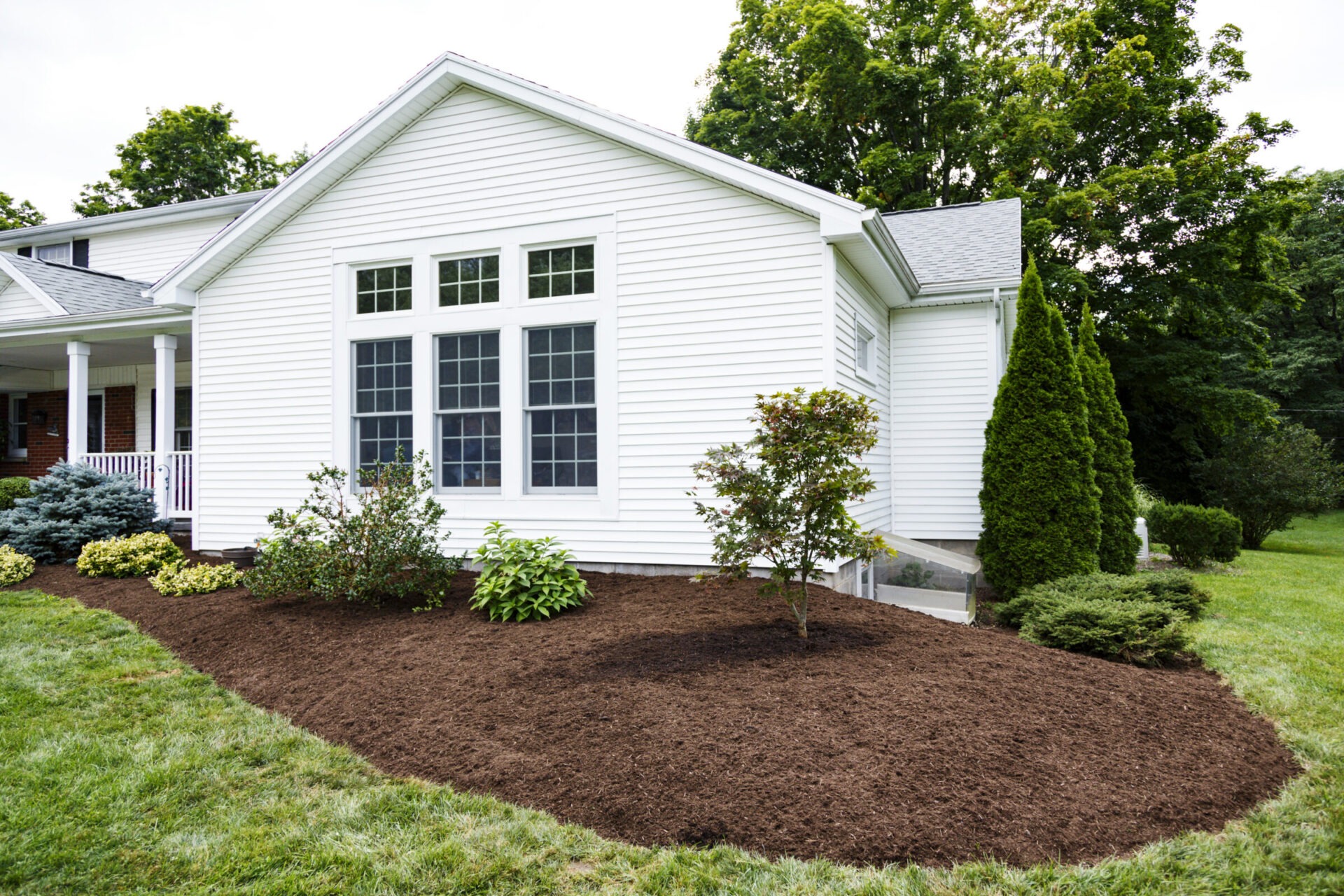
Topsoil for landscaping is the upper layer of soil, often screened to remove stones and debris. It contains a mix of sand, silt, and clay, making it suitable for grading, seeding, and planting.
Compost soil, by contrast, is made from decomposed organic matter. It is rich in nutrients and beneficial microorganisms.
Here is how they differ:
- Topsoil for landscaping provides structure and bulk for lawns and garden beds.
- Compost improves nutrient content and soil life.
- Topsoil creates a stable base.
- Compost enhances fertility and moisture retention.
When you blend compost into topsoil for landscaping, you gain improved texture and healthier growing conditions. Understanding compost soil benefits helps you decide when to amend existing soil rather than replace it entirely.
When Should You Use Compost Soil In Landscaping?
You should use compost when your existing soil lacks nutrients or drains poorly. Compost soil benefits include improved aeration, stronger root development, and better moisture balance.
Compost works well when:
- You are revitalizing tired garden beds.
- You are mixing amendments into topsoil before planting.
- You are preparing vegetable gardens or flower borders.
If you are establishing a new lawn, compost can be lightly blended into topsoil for landscaping before seeding. This encourages steady germination and stronger early growth. Choosing high-quality soil products for your project helps create a healthier foundation from the start. Check our soil and mulch products to find the right blend for your landscape.
How Deep Should Mulch Be In Garden Beds?
A common question homeowners ask is how deep should mulch be. In most garden beds, mulch should be applied at a depth of 2 to 3 inches.
Too little mulch will not suppress weeds or retain moisture. Too much can block airflow and trap excess moisture around plant stems.
For best results:
- Spread mulch evenly.
- Keep it a few centimetres away from trunks and stems.
- Refresh annually as it decomposes.
Knowing how deep should mulch be helps you protect the topsoil beneath it, reducing erosion and temperature swings.
What Is The Best Mulch For Garden Beds?
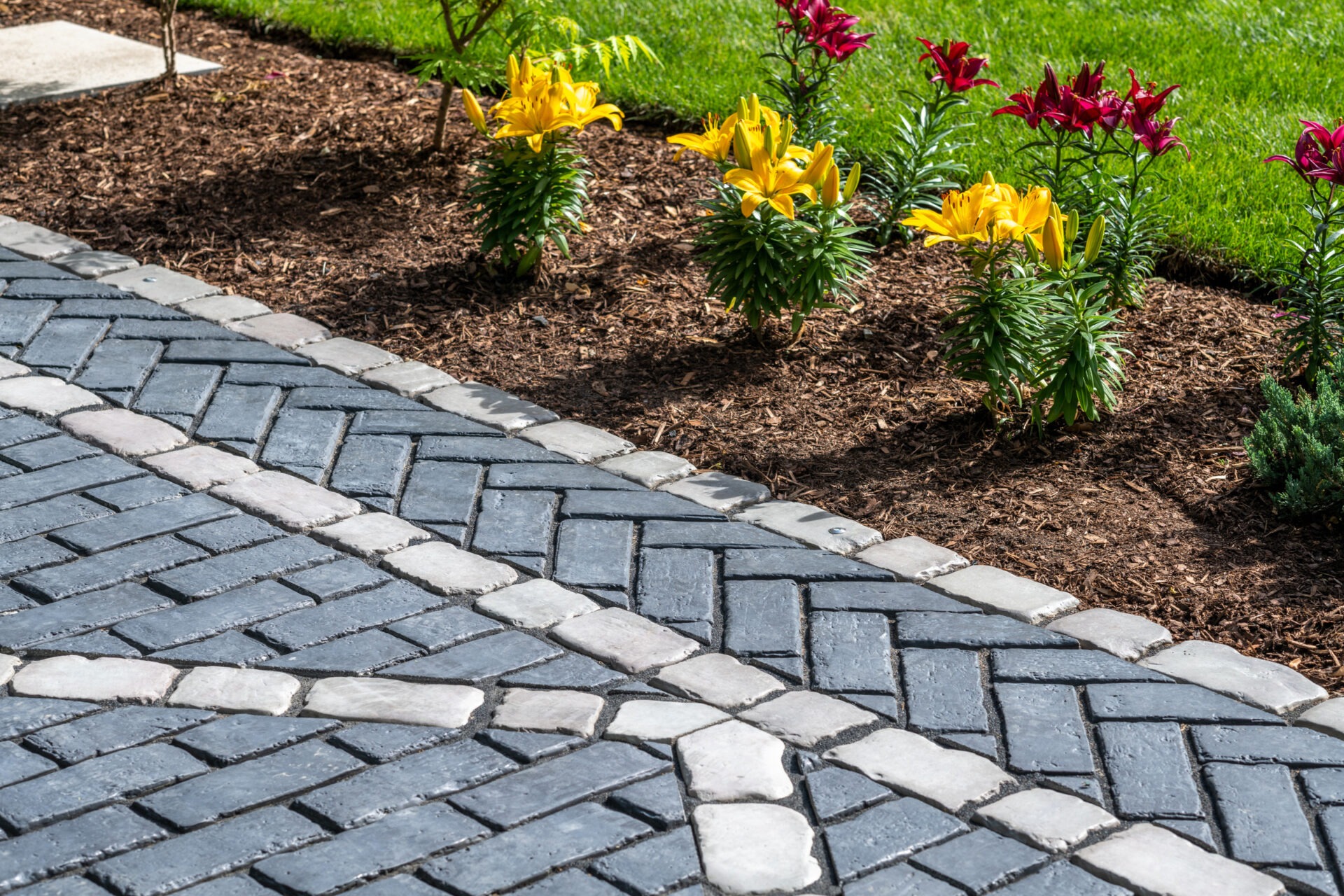
The best mulch for garden beds depends on your goals and preferred look. Organic options like shredded bark or wood chips break down over time and enrich the soil.
When choosing the best mulch for garden, consider:
- Shredded bark for a natural appearance and steady breakdown.
- Cedar mulch for insect resistance.
- Wood chips for pathways and larger areas.
Organic mulch complements topsoil by insulating roots and reducing surface compaction. Over time, it contributes organic matter back into the soil.
How Do You Prepare Soil Before Seeding?
Preparing soil properly makes a noticeable difference in lawn repair or new grass areas.
Follow these steps:
- Remove debris and loosen the surface.
- Add a layer of topsoil for landscaping if needed.
- Level and lightly compact the area.
- Apply soil and seed for lawn repair evenly.
- Water gently and consistently.
Using quality soil and seed for lawn repair helps grass roots anchor firmly. When topsoil is level and free of clumps, you improve seed-to-soil contact and germination rates.
What Gravel Base Is Required For Patios?
A stable patio begins with a solid gravel base for patio construction. This base supports pavers or slabs and promotes proper drainage.
Typically, you will need:
- Excavation to the required depth.
- A compacted gravel base for patio stability, often 4 to 8 inches depending on soil conditions.
- A layer of bedding sand above the compacted gravel.
Without a properly compacted gravel base for areas, surfaces may shift or settle. The right foundation reduces frost movement and pooling water. For reliable results, choose quality stone and construction materials. Check our paver & stone supply page to support a stable, long-lasting base.
How Much Topsoil Is Needed For New Lawn Areas?
For new lawns, you generally need 4 to 6 inches of topsoil for landscaping. This depth allows roots to establish and access nutrients.
To calculate volume:
- Measure the length and width of the area.
- Multiply by the desired depth in metres.
Adding sufficient topsoil ensures better drainage and root growth. If existing soil is poor, layering new soil evenly across the area can create a healthier base for turf.
Use our soil, mulch, and gravel calculator to find the right amount for your project.
What Are The Benefits Of Screened Topsoil?
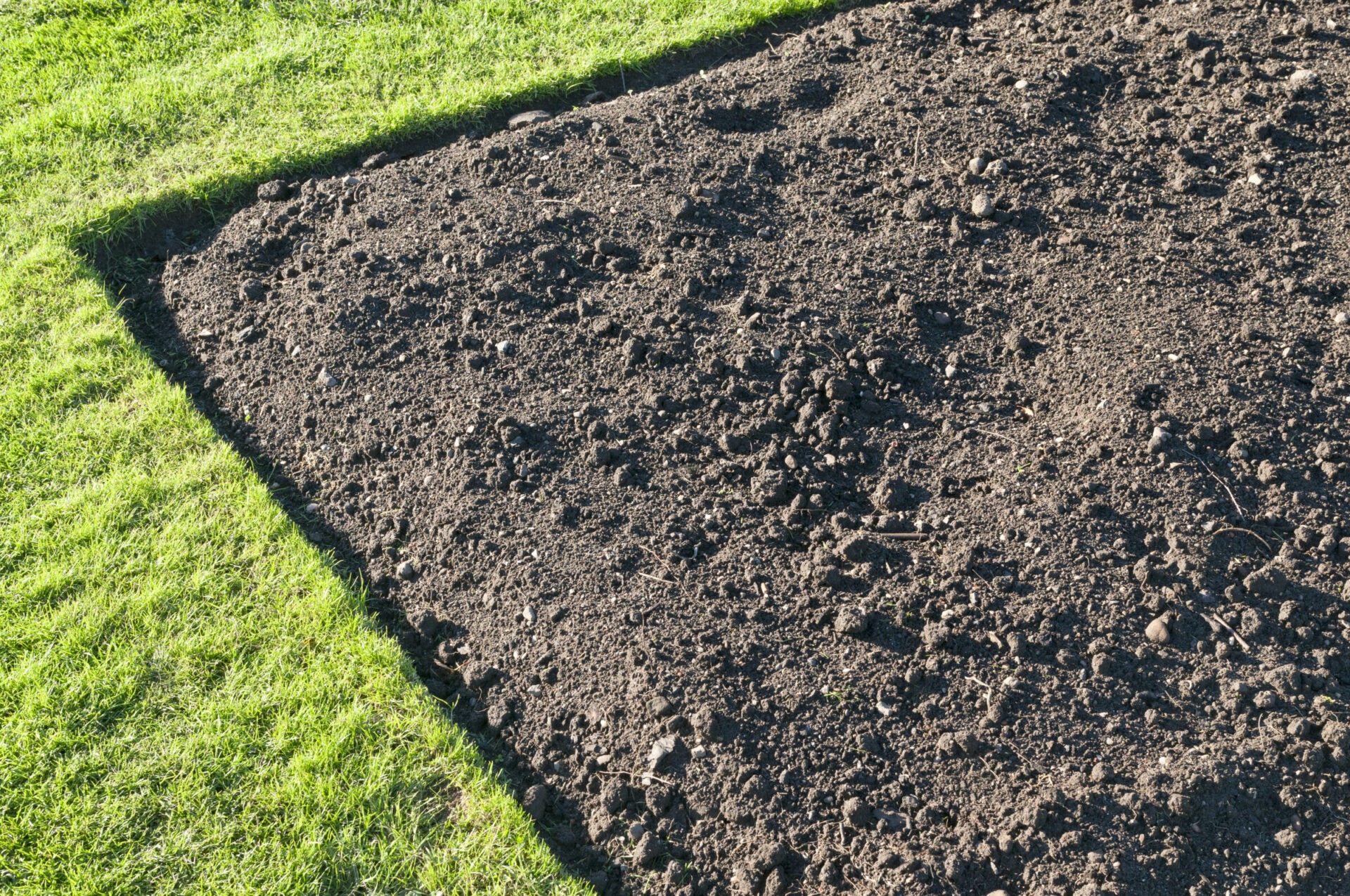
Screened topsoil for landscaping has been filtered to remove large stones, roots, and debris. This creates a finer, more workable texture. Be wary of low-quality options, though, which can still contain weed seeds.
Benefits include:
- Easier grading and levelling.
- Improved seed contact.
- Reduced risk of large clumps in garden beds.
When you use screened topsoil, you create consistent growing conditions. It is especially helpful for lawns, planting beds, and final grading before sod installation.
How Is Bulk Topsoil Delivered?
Bulk topsoil delivery is typically arranged by truck. The material is delivered loose and placed in a designated area on your property.
Before scheduling bulk topsoil delivery, consider:
- Access for delivery vehicles.
- A tarp or clear area for dumping.
- The volume required for your project.
Topsoil delivery saves time compared to bagged soil and reduces packaging waste. It is often the practical choice for larger landscape upgrades.
What Soil Mix Works Best For Planting Beds?
Planting beds perform best with a balanced blend of topsoil and organic matter.
A reliable mix often includes:
- Screened topsoil.
- Compost for nutrient support.
- A small amount of sand if drainage needs improvement.
Blending materials helps roots spread easily. Healthy planting beds depend on structure as much as nutrients, and topsoil provides that essential framework.
How Does Sand Improve Soil Structure?
Sand can improve soil structure by increasing drainage and reducing compaction. In heavy clay soils, adding sand alongside compost can create better pore space.
However, sand should be mixed thoroughly with topsoil for landscaping rather than layered on top. Proper blending ensures even distribution and prevents water from pooling at different soil layers.
When Should Gravel Be Used Instead Of Soil?
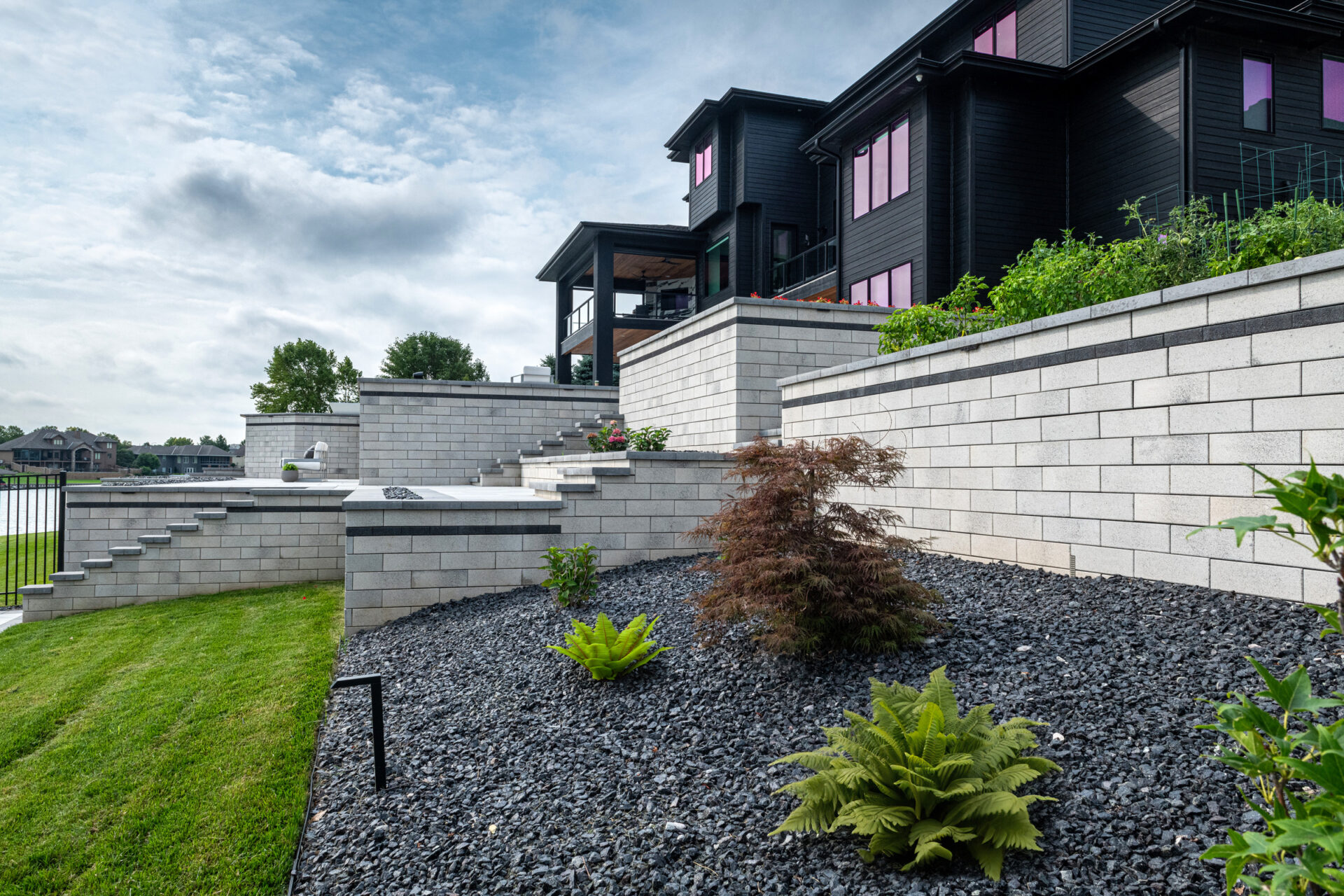
Gravel is best used where drainage and stability are priorities rather than plant growth.
Use gravel when:
- Building pathways.
- Creating driveways.
- Establishing a base under patios.
- Improving drainage zones near foundations.
Soil supports plant life. Gravel supports structure and water movement. Understanding the difference helps you choose the right material for each area of your yard.
What Size Gravel Is Best For Landscaping?
Gravel size depends on the purpose.
- Smaller gravel (such as 3/8 inch) works well for pathways.
- Medium sizes are common for decorative borders.
- Larger aggregate is often used beneath surfaces as a base.
Choosing the correct size supports stability and visual appeal.
What Is The Difference Between Crushed Stone And Gravel?
Crushed stone is mechanically broken and has angular edges. Gravel is naturally rounded through weathering.
Angular crushed stone compacts tightly, making it suitable for base layers. Rounded gravel drains well and offers a softer appearance for decorative areas.
What Gravel Is Best For Driveways?
Driveways require durable, well-compacting material.
Typically, crushed stone with angular edges performs best. It locks together under pressure and supports vehicle weight. A layered approach, beginning with larger stone and topping with smaller aggregate, increases stability.
What Gravel Is Best For Drainage?
For drainage, clean, washed stone without fine particles is ideal. The open spaces between stones allow water to pass through freely.
This type of gravel is commonly used in French drains and around foundations to reduce water buildup.
Does Mulch Prevent Weeds?
Mulch helps reduce weed growth by blocking sunlight and limiting seed germination. While it does not eliminate weeds entirely, proper depth and maintenance make a difference.
Apply mulch evenly over topsoil for landscaping to protect the soil surface and support plant health. For more on aggregates and base materials, visit our Landscape Materials and Gravel Guide for Strong Outdoor Foundations.
Building Strong Foundations With The Right Materials
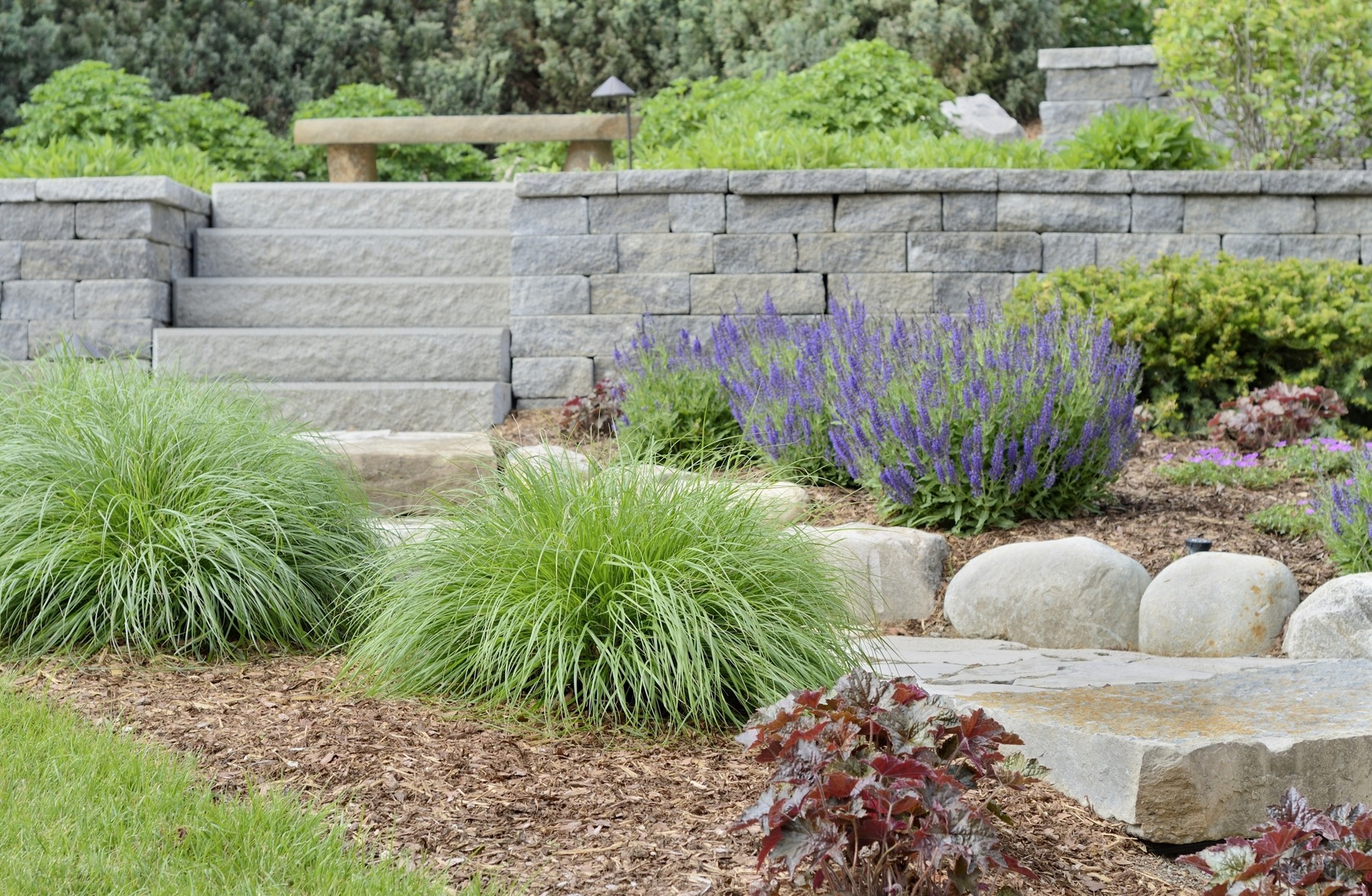
Every successful landscape starts below the surface. From spreading topsoil to preparing a gravel base or adding mulch, your material choices affect how well your outdoor space performs over time. At Georgian Bay Outdoors, you are supported with knowledgeable guidance rooted in experience and respect, so you can build with confidence and create lasting results.
When you are ready to take the next step, you can request a quote and speak with our team about the right materials for your project.
Summary
If you are upgrading your yard, understanding topsoil for landscaping helps you build healthier lawns, stable patios, and productive garden beds. By choosing the right depth, blend, and delivery method, you create a strong base for lasting outdoor results.
Tags: