
8 Types Of Gravel And Aggregates For Landscaping
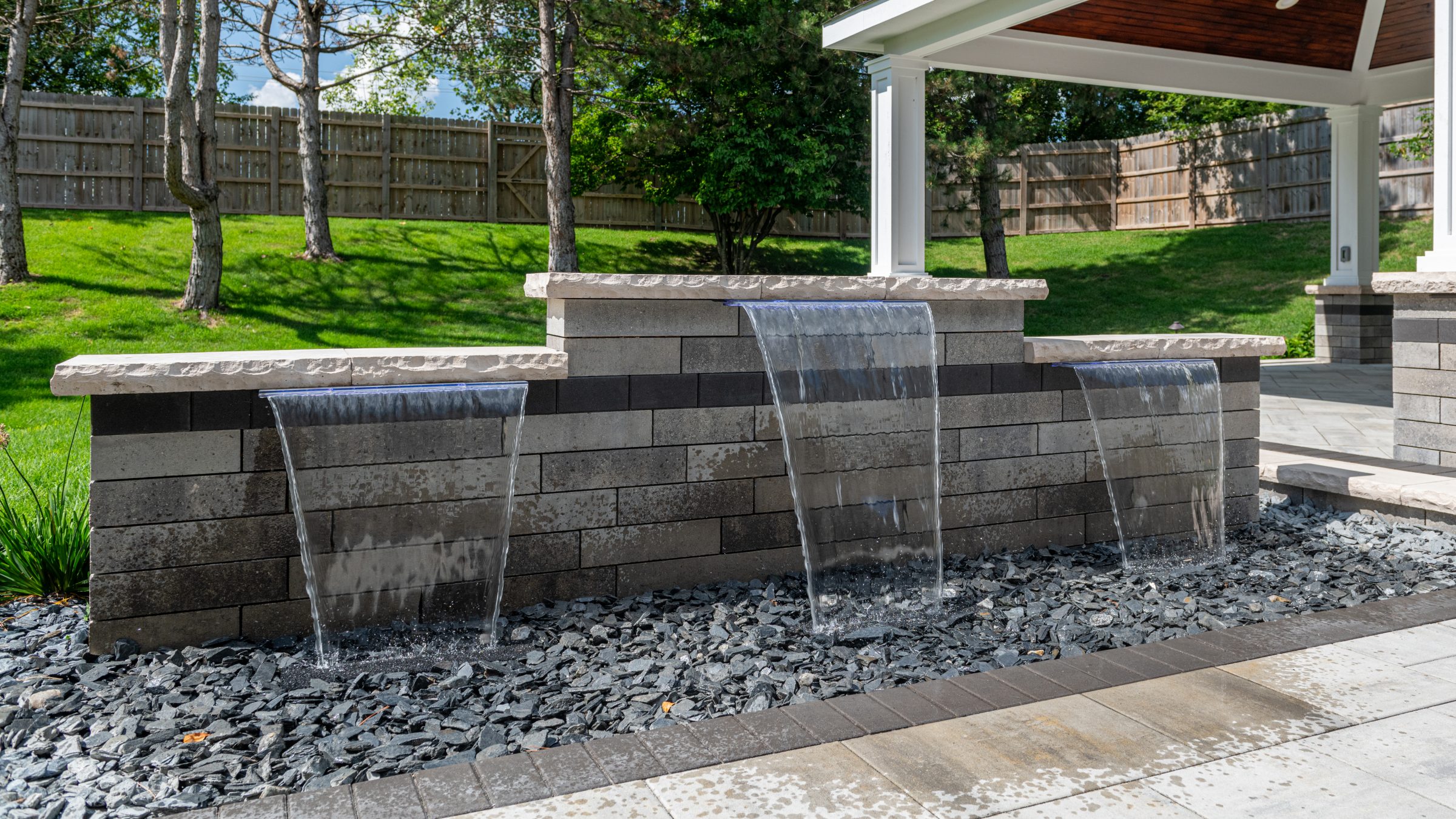
Your driveway should feel solid. Your patio should stay level. Your garden beds should look intentional, not improvised. Achieving that result starts long before the final stone is placed. It begins with choosing the right gravel and aggregate materials and understanding how each material supports the next.
Many outdoor issues trace back to material selection. A surface that shifts, drains poorly, or settles unevenly is often built on the wrong base. When you look at the full range of gravel and aggregate options used outdoors, it becomes clear that each one serves a different structural or decorative purpose.
Approaching material selection as a system rather than isolated products changes how you plan. Base stone provides load-bearing strength. Drainage layers protect against moisture. Decorative aggregates refine the finish.
What often separates a surface that lasts from one that disappoints is not the visible layer but the planning behind it. Taking time to understand how different materials perform under pressure, moisture, and seasonal change allows you to make informed decisions from the start. Rather than reacting to problems later, you build with clarity now. Each layer has a job. Each aggregate contributes differently. When those roles are respected, the finished result feels stable, intentional, and built to endure everyday use.
For a deeper explanation of how these layers work together, review this landscape materials and gravel guide for strong outdoor foundations. Then use the breakdown below to better understand which products belong in your project.
1. Limestone Gravel For Driveways And Structural Bases
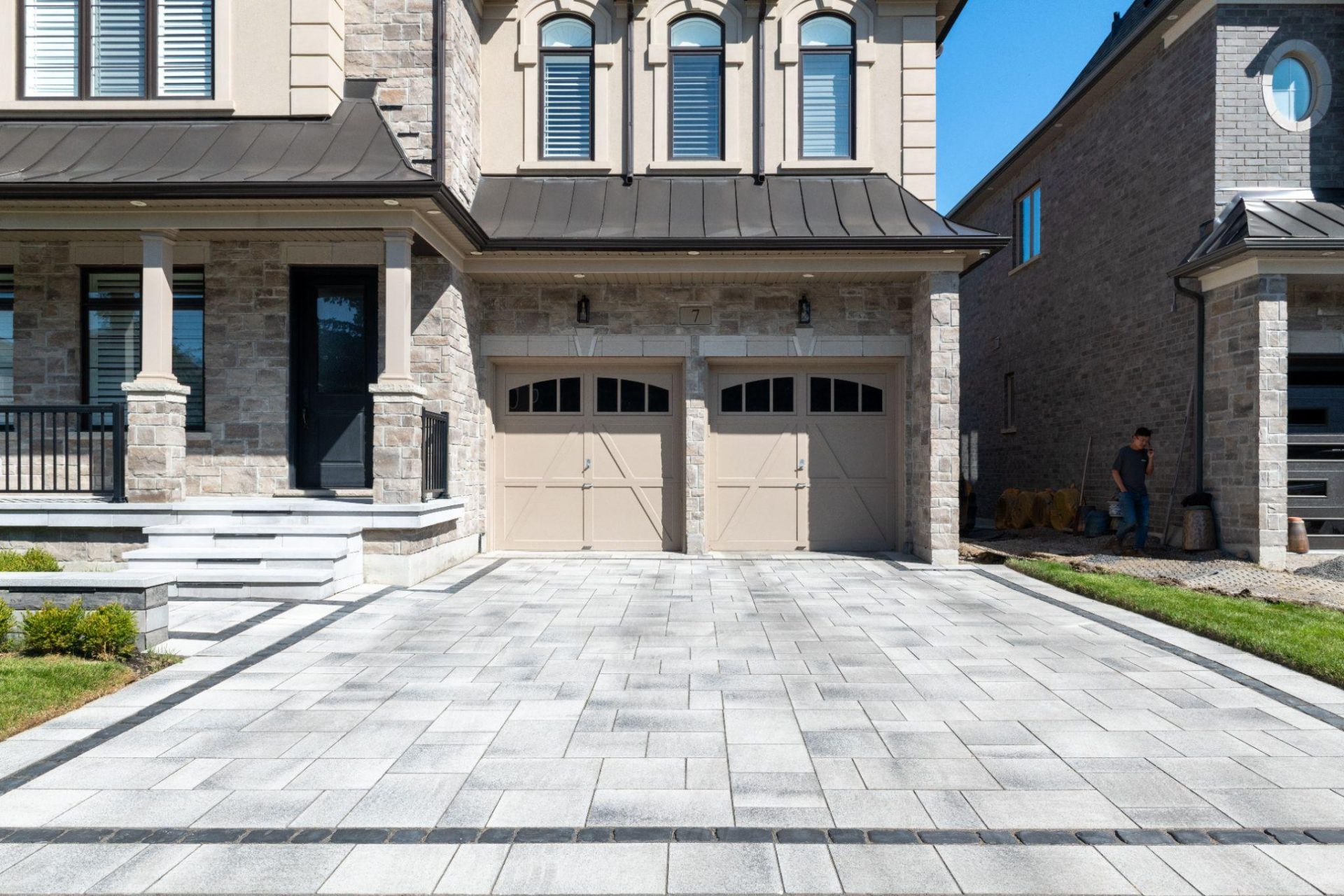
When performance matters most, limestone is often the starting point. Among structural base aggregates, it is valued for its ability to compact tightly and resist movement.
Its angular particles interlock under pressure, forming a dense base capable of supporting vehicles and heavy structures. That reliability is why gravel for driveway base installations frequently depends on limestone. Many established limestone gravel uses focus on foundational layers beneath patios, retaining walls, and large surface areas. It is often installed in carefully compacted lifts to ensure consistent density throughout the entire base layer.
Within the broader family of landscaping aggregates, limestone provides stability that remains unseen but essential. It helps prevent shifting and reduces long-term maintenance concerns.
The difference becomes noticeable over time. Surfaces built on limestone tend to remain steady and consistent, even after repeated use and seasonal shifts. That long-term reliability is what makes it a dependable structural choice.
If you are preparing for a driveway, patio base, or retaining wall build, confirming stone size and volume early prevents delays once installation begins. You can review available aggregate options, quantities, and delivery details through our bulk landscape materials page to better plan your foundation layer.
2. Crushed Granite Gravel For Durable Surfaces
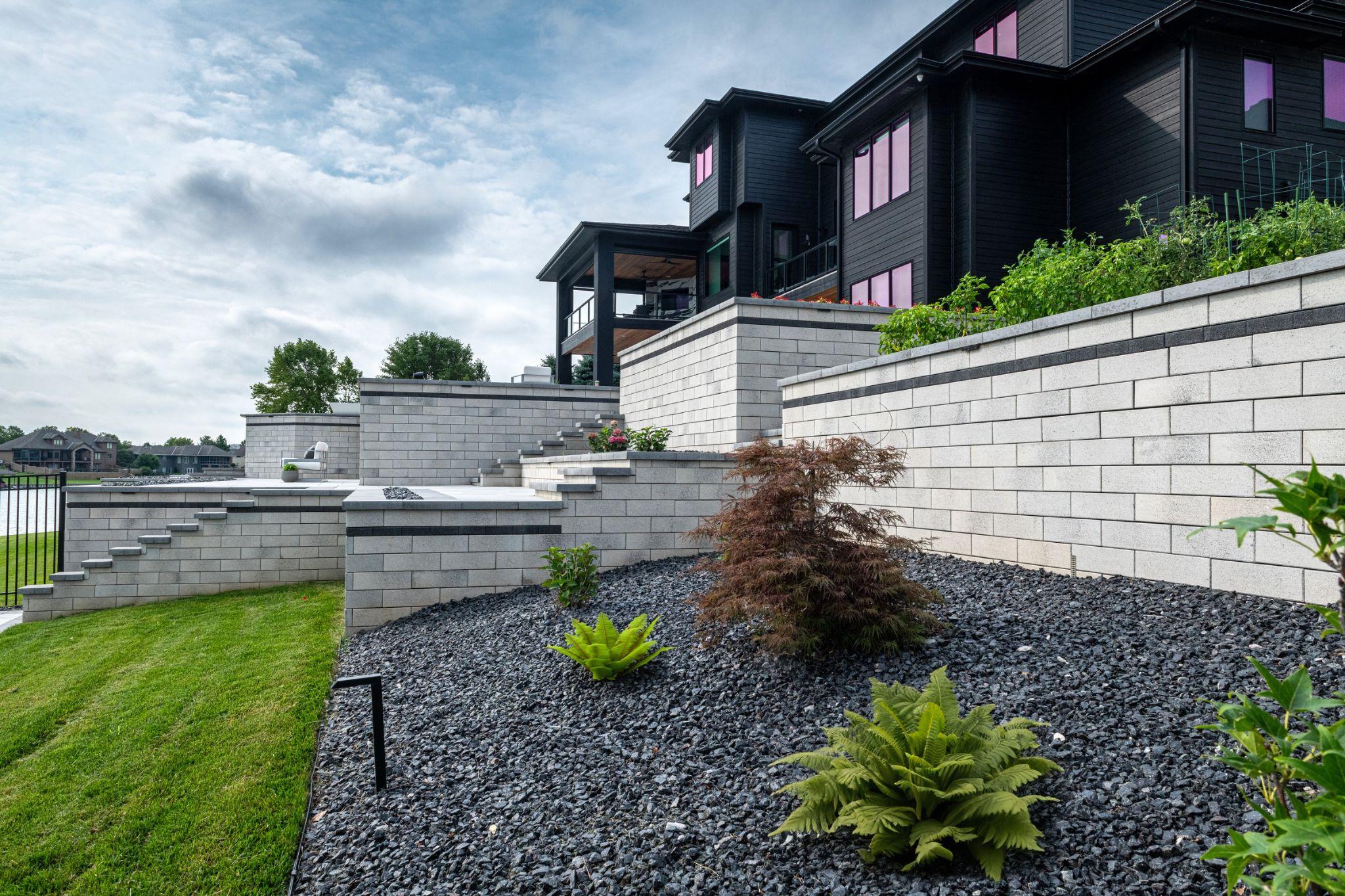
Some projects require a material that performs well while remaining visible. Crushed granite gravel fits that role.
Among surface-level aggregate choices, granite offers a firm texture that compacts effectively without appearing harsh. Its angular shape allows it to settle securely in walkways and patio surrounds.
Homeowners comparing finished gravel surfaces often favour granite because it balances durability with subtle visual variation. It holds up under consistent foot traffic while complementing surrounding elements.
As one of the adaptable landscaping aggregates, granite can serve as a finished surface or as part of a layered base system. Granite works well in spaces that need to look refined but still handle daily use. It gives you a defined walking surface without feeling overly formal, which makes it easy to integrate into both modern and traditional designs.
3. Clear Stone For Drainage Applications
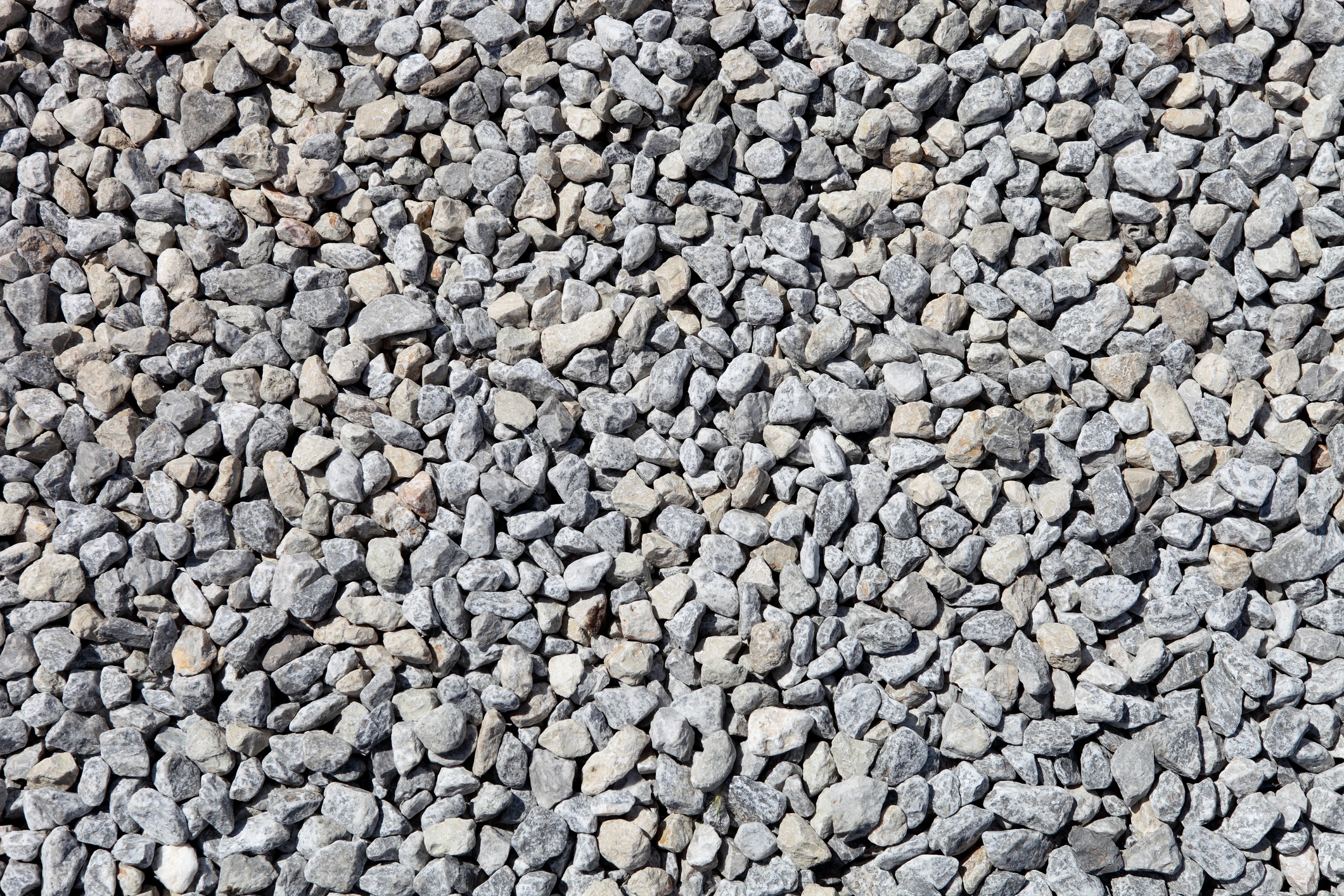
Moisture management is a technical but essential consideration. Clear stone exists specifically for that purpose.
Unlike compacted materials, it contains minimal fines, allowing water to flow freely between stones. Within the range of aggregates used in outdoor construction, clear stone supports drainage rather than structural compaction.
Installed behind retaining walls or beneath certain structures, it works alongside other landscaping aggregates to protect base layers from water accumulation. Effective drainage reduces the likelihood of freeze-thaw movement and seasonal shifting.
You may never see it once the project is complete, yet its impact shows up in how everything else holds together. Proper drainage quietly supports the layers above, especially during extended wet periods.
4. River Rock For Decorative Borders And Features
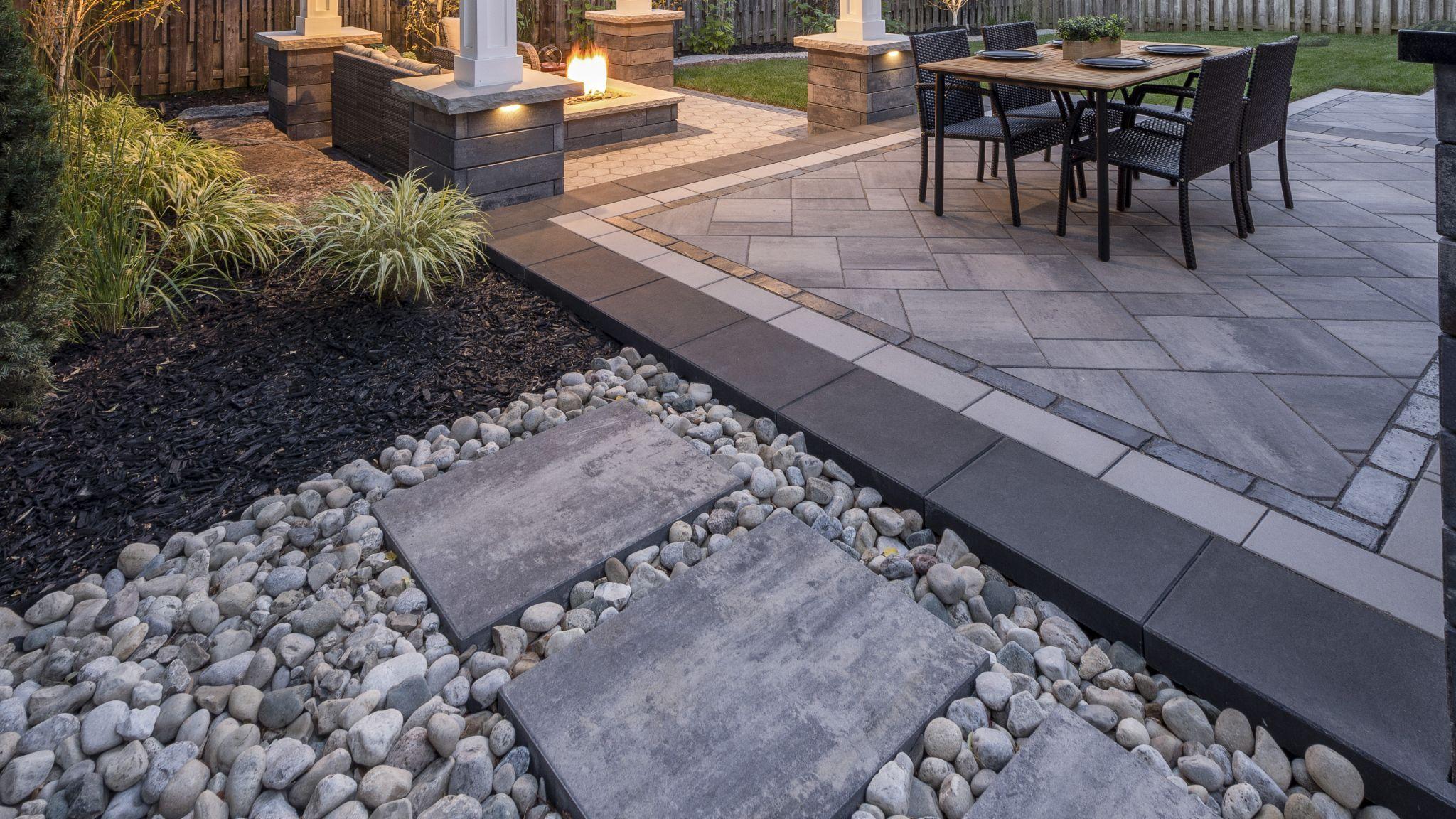
Design refinement often comes from contrast. River rock introduces a rounded texture that differs from the more angular base stone.
Many river rock landscaping ideas incorporate it into garden borders, feature areas, and accent zones. Within decorative stone options, river rock adds dimension without requiring structural compaction. It can also help visually separate planting areas from turf, creating clear boundaries that simplify maintenance and edging.
It functions best in low-traffic spaces where visual appeal takes priority. As one of the finishing landscaping aggregates, it is typically installed over a stable sublayer to maintain definition.
River rock tends to settle into a space naturally. It softens sharp lines and creates gentle transitions between hardscape and planting areas, adding definition without overpowering the design.
5. Sand For Paver Base Preparation

Precision matters in patio installations. Sand for paver base preparation provides the leveling layer that supports interlocking stone.
Although finer than most types of gravel for landscaping systems, sand is integral to the structural sequence. After the compacted base stone is in place, sand allows for subtle adjustments before final placement.
Within layered landscaping aggregates, sand contributes to even load distribution and surface alignment. Without it, pavers may settle inconsistently over time.
It is a subtle layer, but it shapes the final outcome. Properly placed sand allows pavers to sit evenly and maintain alignment long after installation is complete.
For homeowners comparing jointing sands or exploring polymeric options that improve long-term paver stability, our catalogues outline product specifications and application guidance that support durable patio construction.
6. Screened Gravel For Compacted Surfaces

Screened gravel blends stone and fines into a material that compacts firmly while maintaining a natural appearance.
Among functional types of gravel for landscaping pathways, it provides stability for garden routes, shed bases, and secondary drive areas. Once compacted, it forms a surface suitable for moderate traffic. Its ability to bind together under pressure makes it particularly effective in areas where you want a clean edge without installing hard borders.
As part of practical landscaping aggregates, screened gravel offers a simplified solution where heavy structural support is unnecessary.
In practical spaces, this material often makes the most sense. It provides firmness without overbuilding the area, which keeps the installation straightforward while still delivering stability.
7. Mixed Aggregates For Pathways
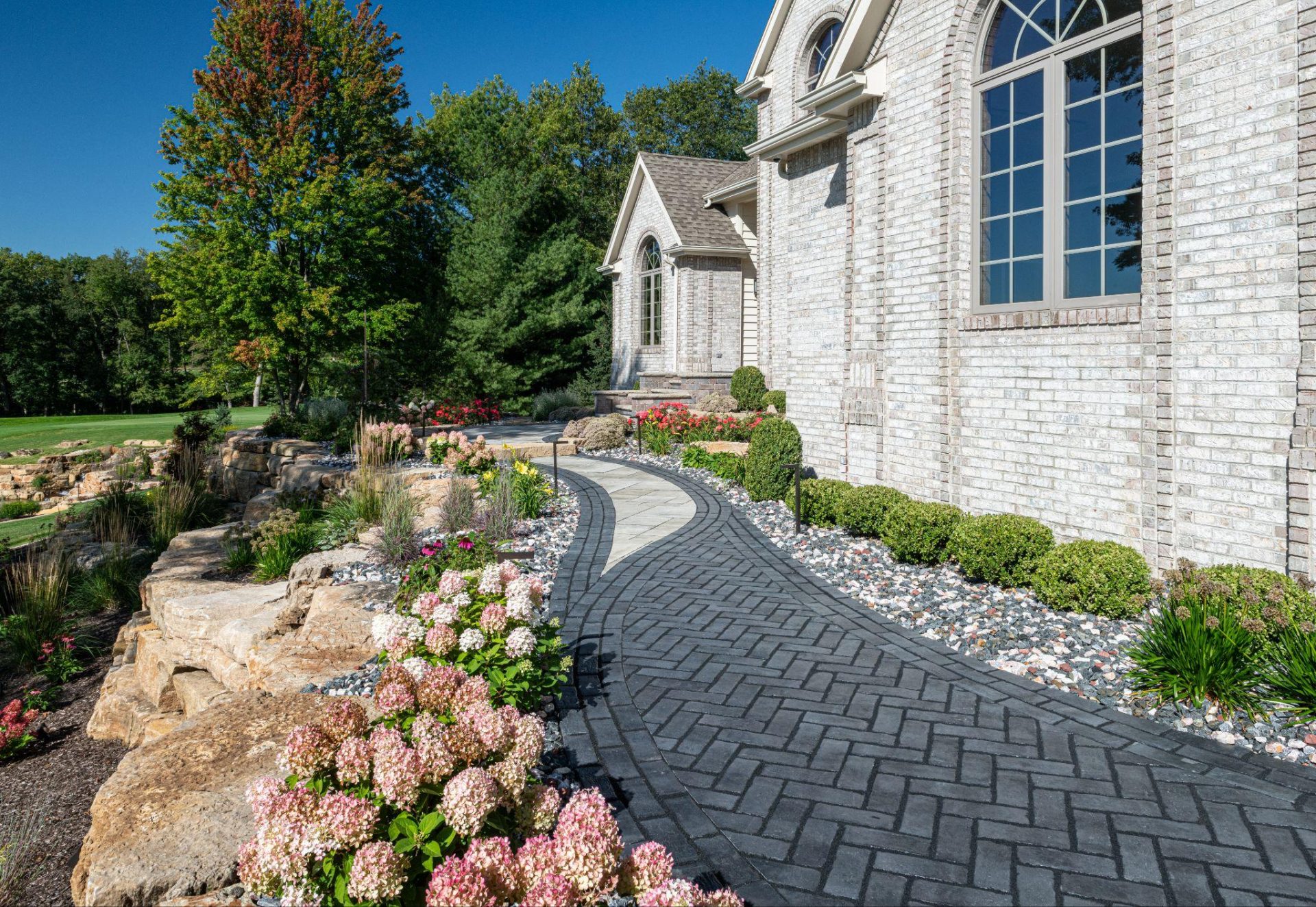
Mixed aggregates combine multiple stone sizes, increasing cohesion by allowing smaller particles to fill gaps between larger pieces.
Within the category of types of gravel for landscaping walkways, this blend supports durability while preserving a natural aesthetic. It is often used to connect distinct areas of a yard without introducing rigid lines.
Compared to uniform stone, mixed landscaping aggregates improve stability under regular foot traffic. They can function independently or complement a broader base system.
The blend creates a path that feels grounded but not rigid. It supports movement through the yard while maintaining a relaxed, integrated appearance.
8. Specialty Decorative Gravel For Finishing Touches
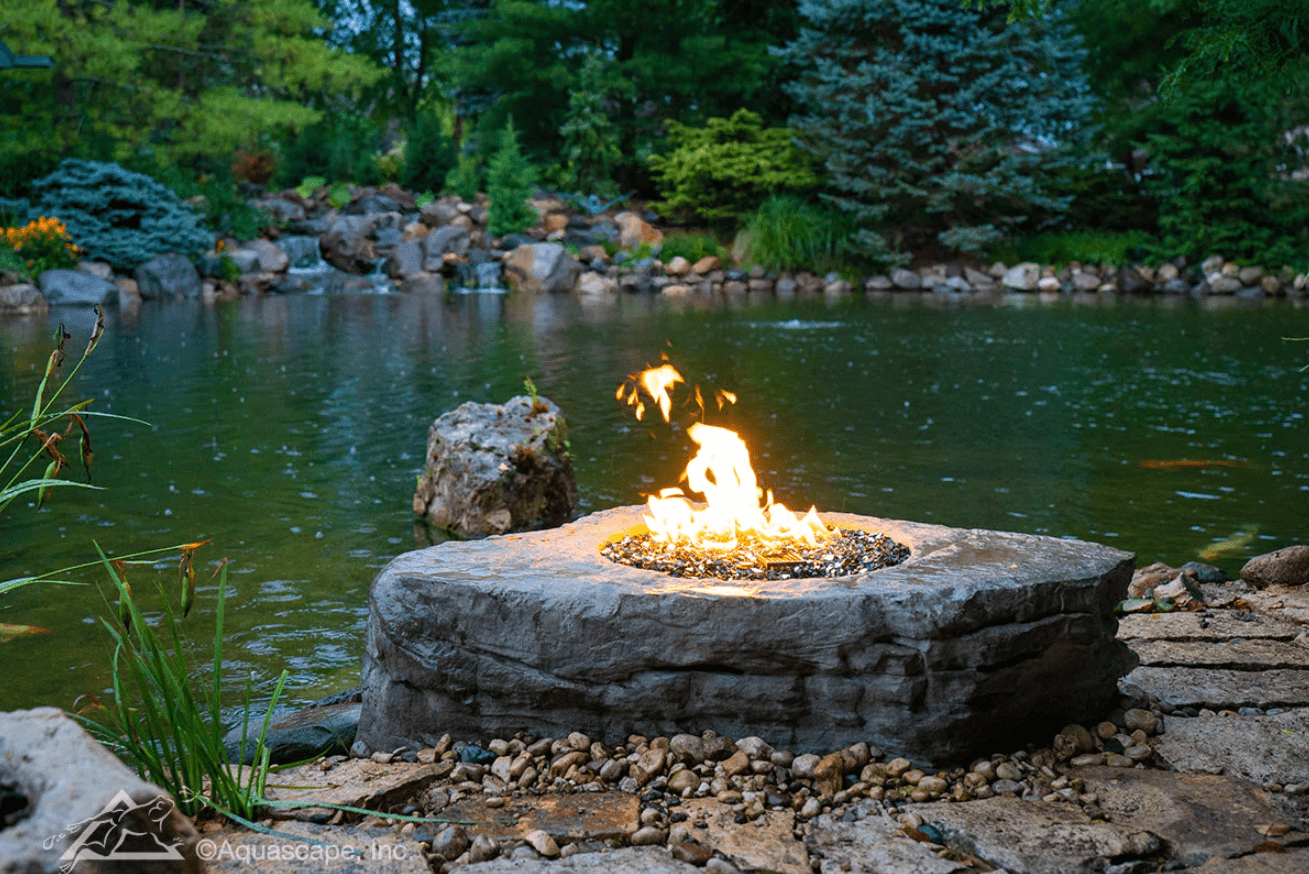
Specialty decorative stone completes the visual structure of a landscape. Available in varied colours and textures, these materials define borders, highlight features, and refine overall composition.
Among finishing types of gravel for landscaping enhancements, decorative options add character while relying on structural layers below.
Installed above compacted base materials and properly prepared sand for paver base, these landscaping aggregates balance appearance with performance.
Selecting decorative types of gravel used in landscaping projects allows you to finalize details while maintaining confidence in the foundation beneath. These final details bring the entire layout together. With the right finishing stone, borders look intentional and feature areas feel complete without competing with the structure below.
Before choosing aggregates, review the full Landscape Materials and Gravel Guide for Strong Outdoor Foundations.
Build With Confidence From The Base Up
Outdoor spaces perform best when materials are chosen intentionally. Understanding different types of gravel for landscaping allows you to align structure, drainage, and design from the ground up.
Each of the various types of gravel used in landscaping contributes to overall durability and visual consistency. Matching the right aggregate to the right application reduces long-term maintenance concerns.
A thoughtful approach to material selection supports not only structural integrity but also long-term satisfaction with the finished space. When each layer is chosen with purpose, maintenance becomes simpler, and performance becomes predictable. Strong foundations reduce surprises. Well-matched finishes enhance curb appeal. Over time, the value of choosing appropriate types of gravel for landscaping becomes evident in how consistently your outdoor surfaces perform. Investing attention at the planning stage creates confidence in the result.
When you are ready to move forward with a clear plan, take the next step and request a quote!
Summary
Knowing the right types of gravel for landscaping helps you select materials that support strong foundations and cohesive outdoor design. By understanding how each aggregate functions within a layered system, you can build spaces that remain stable and well defined over time.
Tags: